Flying from the Ross Ice Shelf to the South Pole

Flying in Antarctica tests your flexibility.

My original flight from McMurdo to South Pole was set for November first at 5 am (New Zealand time), moved forward to the 27th of October, cancelled because of weather delay, and moved to the next day, the 28th.

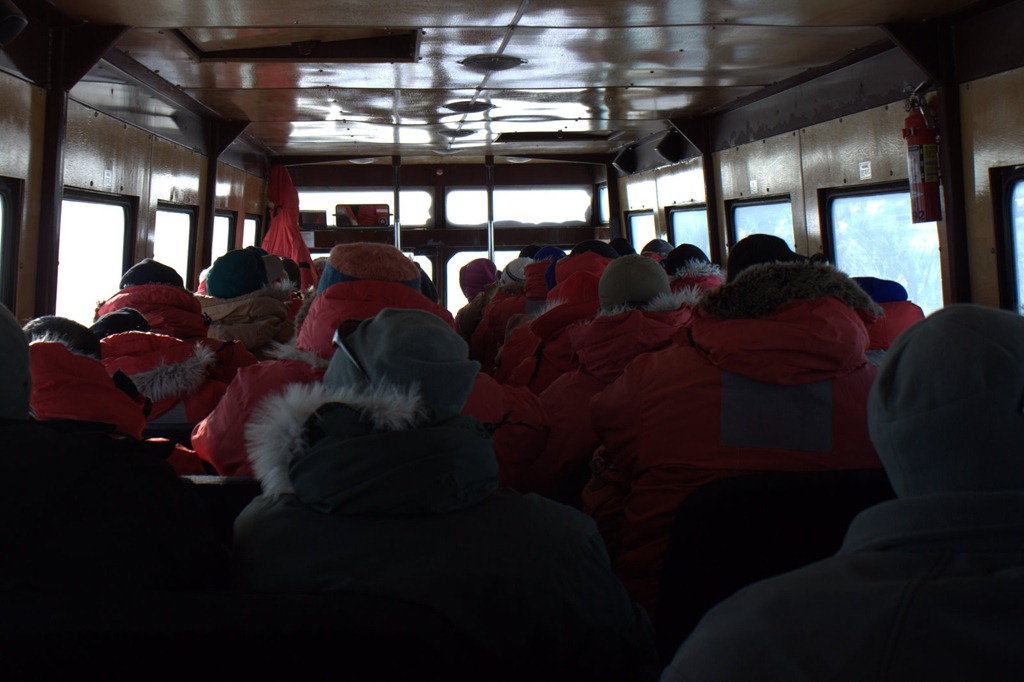
We took a Delta, a passenger vehicle that looks like a giant red metal ant, out to the ice runway in the morning, optimistic and excited at the weather reports for both takeoff and landing. There are two main types of delay here: weather and mechanical. We had all forgotten about mechanical delay.

Our group sat crammed in the Delta, feet going numb and legs getting stiff, blowing bubble gum bubbles that popped with a little puff of foggy breath, optimism waning with each update on the plane’s sorry status. Six hours later, tired and hungry and wishing we had landed three hours ago, we crunched and groaned and bounced along the sea ice in our Delta, returning to McMurdo for the night and hoping that there would still be beds for us despite the hundred-some people that had landed in a C-17 that day. I was disappointed but spent the evening with some girlfriends from Pole who bought me a birthday beer and told me that tomorrow was another day.

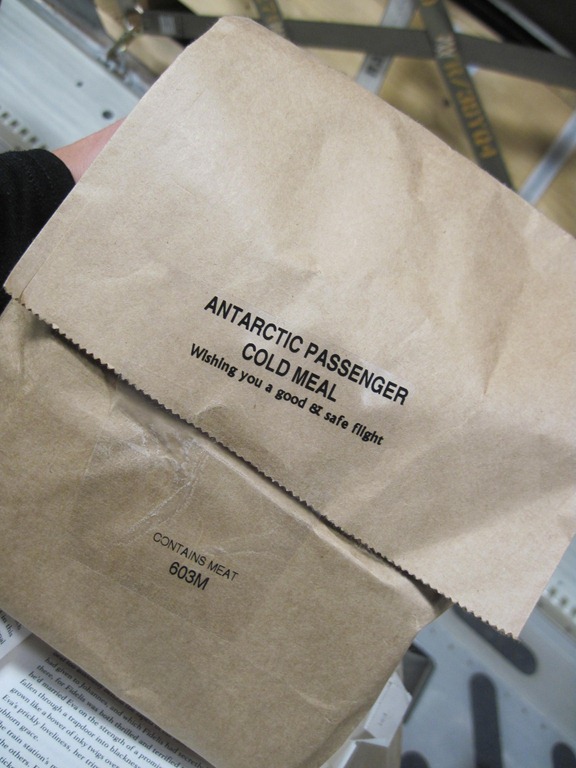
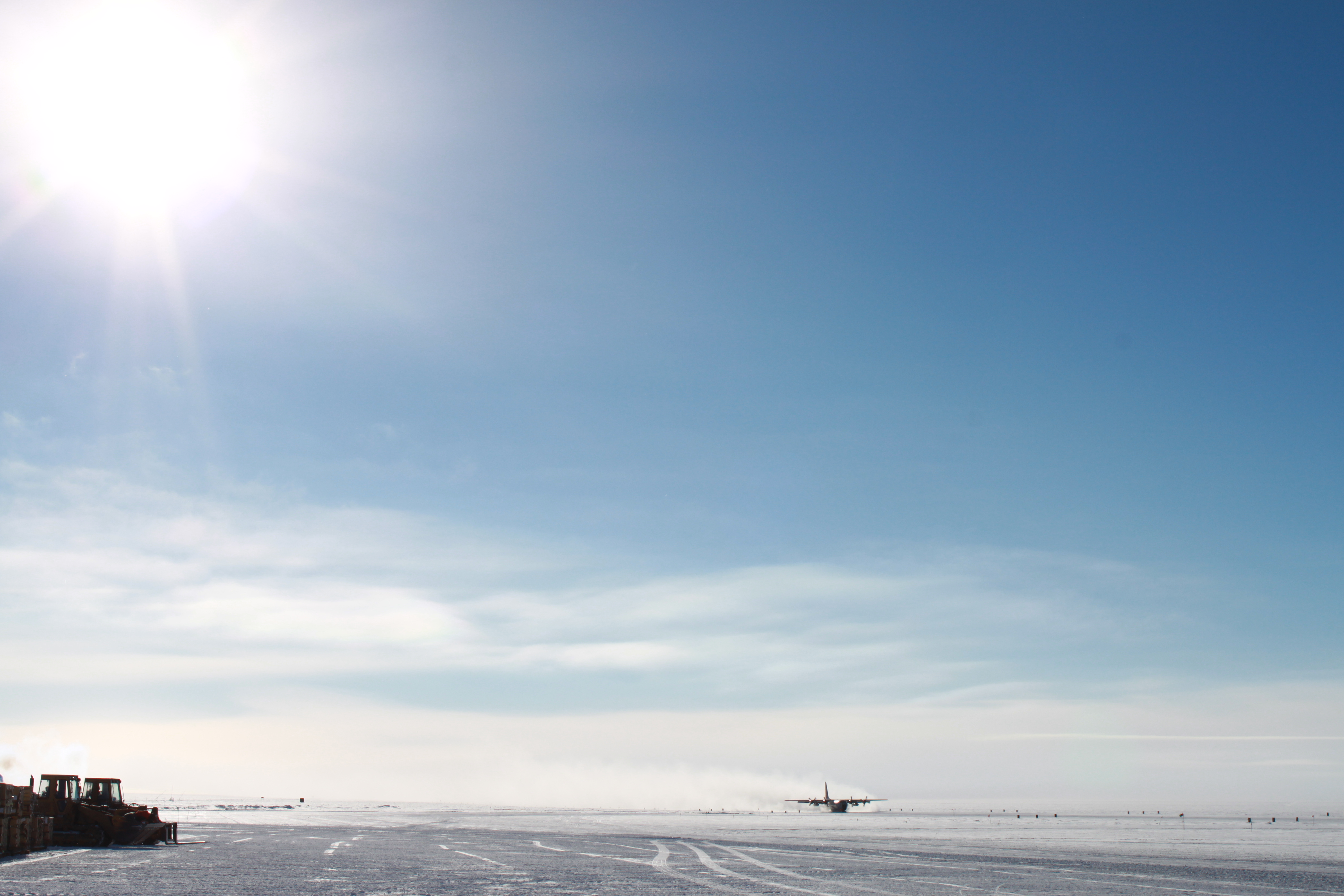
And it was. Now just three days before my scheduled flight and over a week after some other people’s, we skeptically dragged our bags back up the hill to cargo in the morning. We sat in the vehicle, comparing the food we had packed, learning a lesson from the hungry day before. Soggy sandwiches (for those who had been smart enough to pack them the day before our first scheduled flight), flat sat-upon doughnuts, granola, an avocado, or two pieces of french toast. As we progressed, we drove straight out to the runway, arrived directly at the plane (the first good sign) which was already fueled (the second good sign) and took off right on time (the third good sign).

The weather at Pole was flirting with the temperature limit that a C-130 can land in, so we crossed our fingers that our flight wouldn’t boomerang, which means exactly what it sounds like, and tried to not get too excited until we started our descent to Pole.

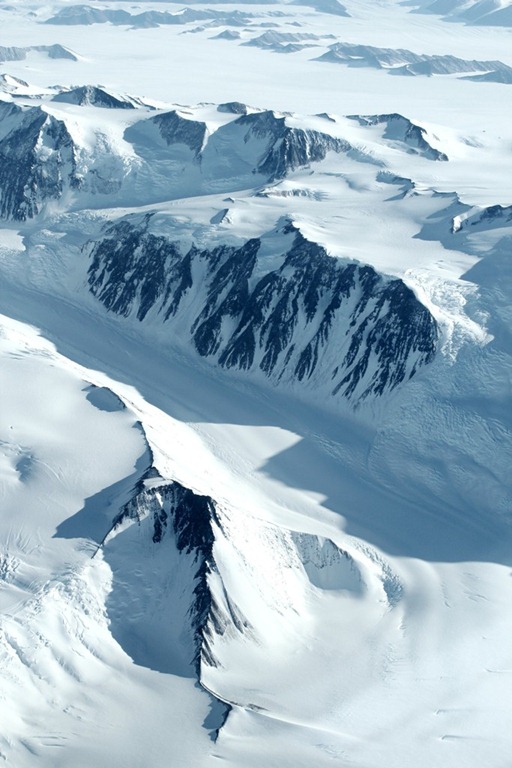
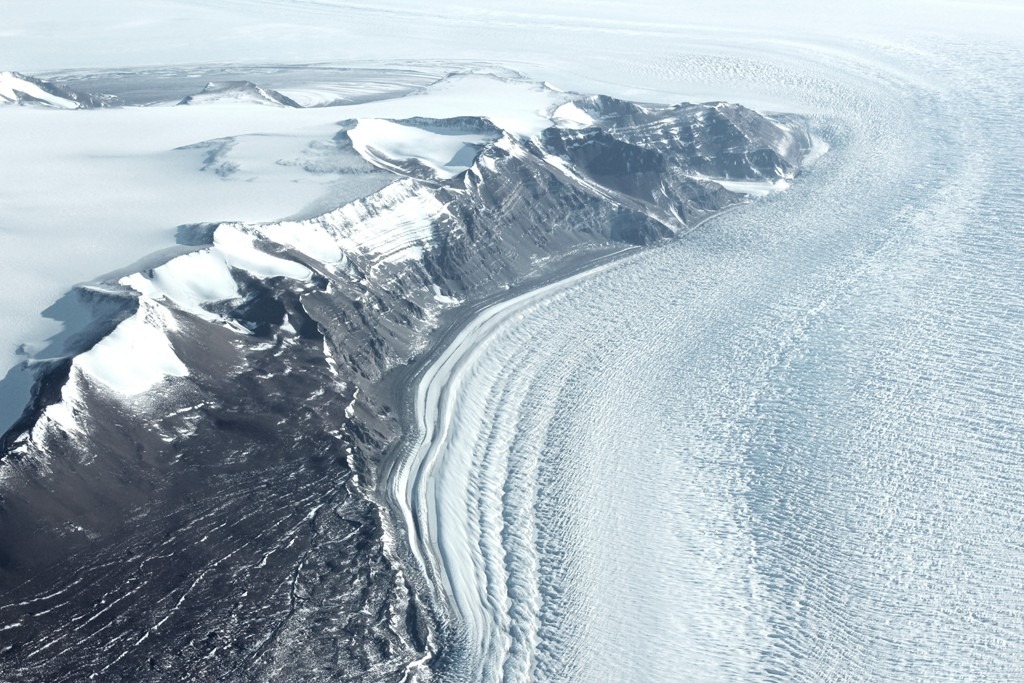
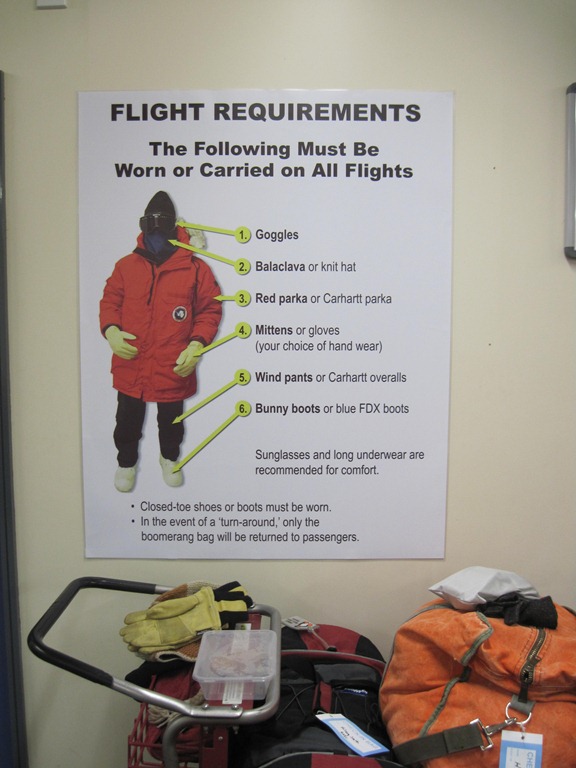
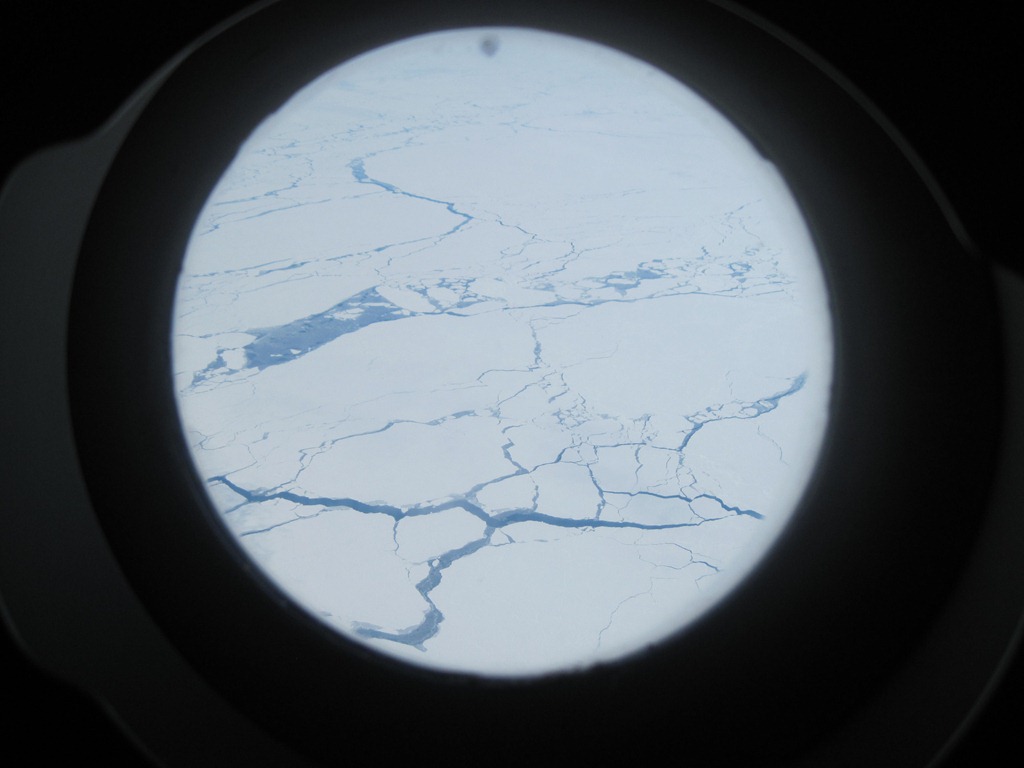
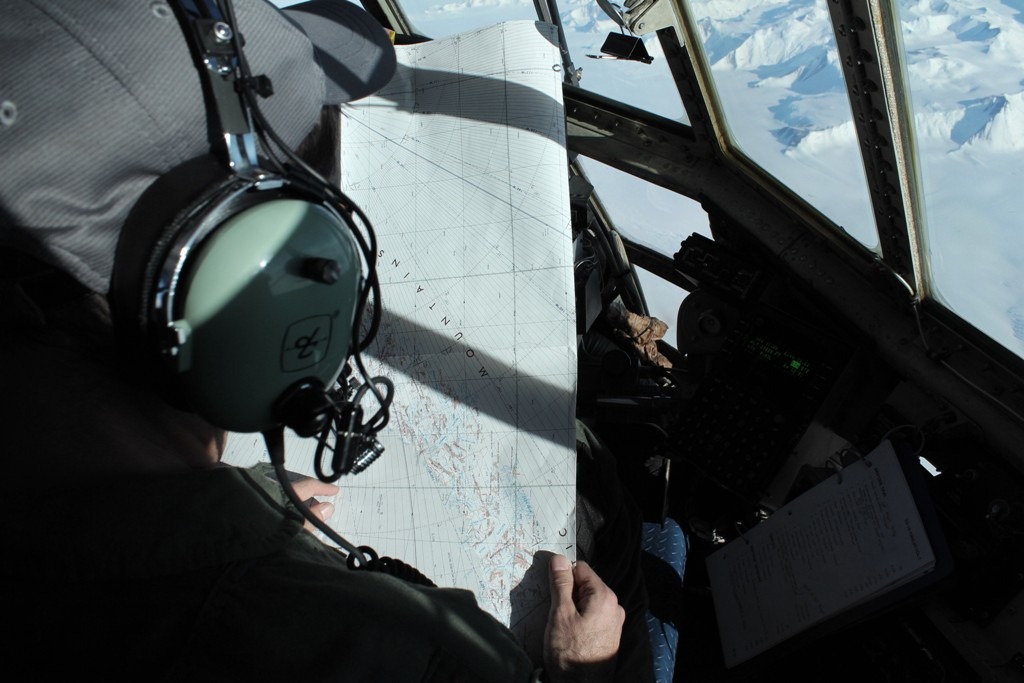
The flight was amazing. Laden with Emergency Cold Weather gear, boots and overalls and huge jackets and layers, you have to carefully plant each step to move about the plane and not step on or awkwardly straddle another passenger for too long. Through the tiny porthole window, and without any sense of how far up you are or how big the landscape below you is, you can see the terrain evolving below, pressing your head on the cold metal of the plane, the roaring drone of the props vibrating though your skull.

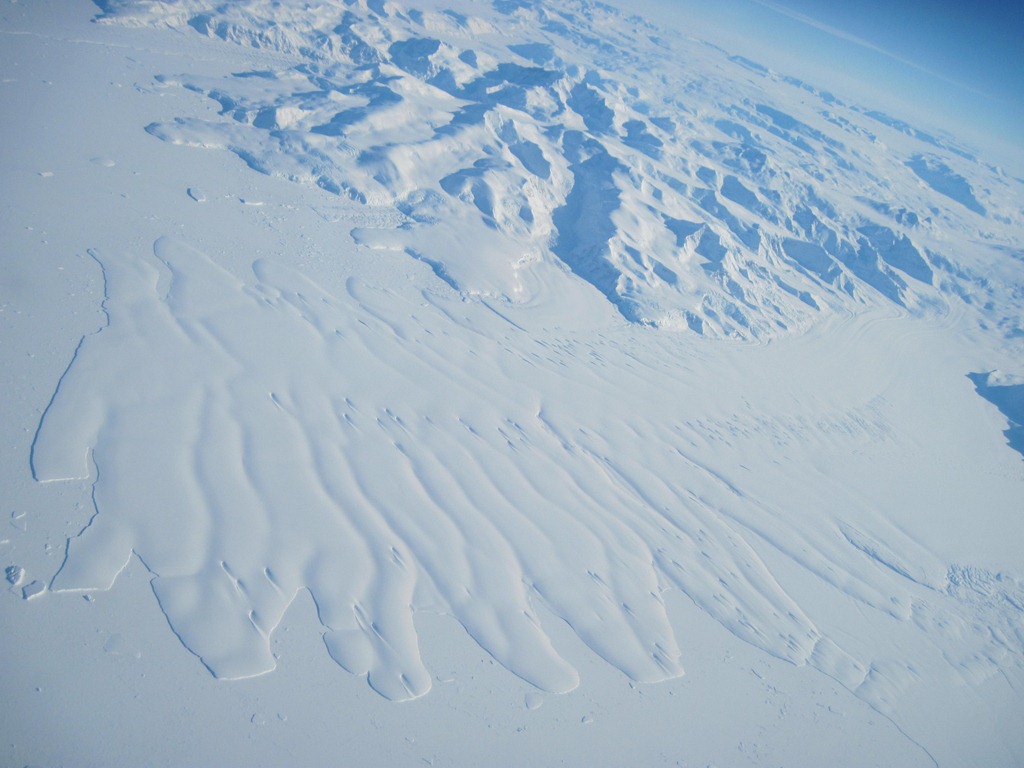
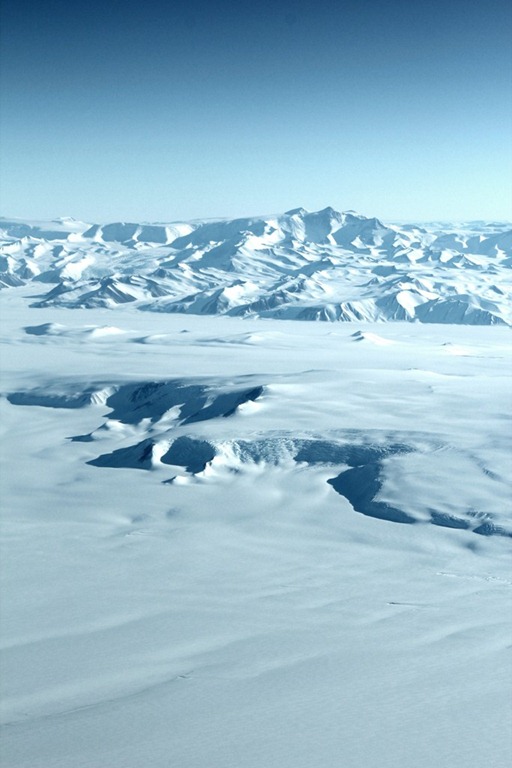
I said goodbye to dirt, watching the mountains melt into flat, blue ice like a lake surface. The face of the earth became flatter, whiter, flatter, whiter. You can see evidence of glacial flow, like seeing time pass, wrinkles and pockmarks and silky snowy spots like aged skin, shiny crusty ice that looks like you could stand on it until you shifted your weight and broke through, some marks like crop circles. Icy blue, as uninspired as that sounds. On we flew, over crevasses that look like dry, split fingertips in the winter, tiny and feathered on one side, gaping and deep and scary on the other side. I wondered if we were flying over any ski-in expeditions or what route they might take, and if they could hear us and whether they were waving at us from so far below.

(The following photos are by Marie McLane, who works cargo here at Pole and is a science tech in Greenland, and whose blog, AntarcticArctic, is pretty neat and has lots of photos and more info about flight Ops than mine so you should probably check it out.)
IMG_7699

IMG_7708

IMG_7713

IMG_7715

IMG_7756

We landed, the engines getting louder like a volcano about to explode, and without being able to see and because of the rattle of the plane, it sometimes would seem like we had touched down even when we hadn’t. When we finally did land, I felt us turn off the skiway and onto the apron, and we droned along for what seemed like forever. The NY air national guard crew dropped the rear cargo door down, the plane yawning and flushing us with bright, bright fog and snow and steam and sucking the heat and moisture out of the plane all of a sudden. Out slid the cargo, disappearing immediately into the whiteness, and the crew closed up the door and the plane slowly crept forward and stopped.

Even though I knew what to expect this time, disembarking the aircraft was overwhelming. The ambient temperature was close to –60, the windchill nearly –90, the air was dry and the altitude was steep and the roar of the propellers just off to the side was immense and the sun was bright and here I was, returning to the South Pole, a little bit excited and pretty emotional and really really cold. I choked on my first few breaths. A crewmember held a line out from the door, to guide us and prevent passengers from getting thunderstruck and confused and turning left instead of right, walking straight into the props and losing their head, literally. All the way up to the nose of the plane came the ground crew, our friends and coworkers, putting out little guide markers showing where to walk to exit the apron.

There were cold but happy reunions with winterovers, jumps for joy and breathless hugs and frozen tears. There were new people as well as returnees with cameras and cold shutterfingers and a holy shit, I’m at the bottom of the planet stance, and, I would imagine, wide eyes behind their goggles and gaiters and balaclavas. Having arrived about a week before us, Daniel came to carry my bag for me, which seemed much heavier than it had been at sea level, and gave me a cold, wet, polarfleece little kiss.

It feels really good to be back.

More soon on the new job and life at the pole. If you’re missing blog posts and want to get more updates right to your inbox, you can subscribe for free to email or rss!
How to Get to Antarctica in 11 Easy Steps

Step 1: Apply for a job.

Step 2: Get said job.

Step 3: Physically qualify (medical and dental for austral summer, plus psychological for winter). Do lots of paperwork. Actually, this is like 30 steps, but you probably don’t want to hear about them all.

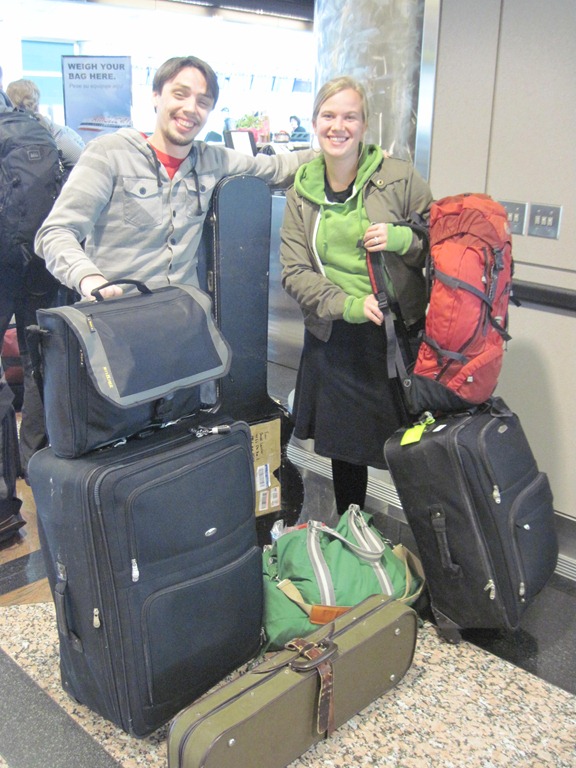
Step 4: Pack, unpack, repack, take some stuff out of your luggage, repack again, and still end up taking too much.

IMG_7729

Step 5: Go to a lot of orientations and learn about riveting things like OSHA, Information Security, payroll, health insurance, waste procedures and New Zealand BioSecurity.

Step 6: Fly. A lot. Arrive in Christchurch.

Step 6.5: Sleep off the flight.

Step 7: Go to the clothing distribution center (CDC) and try on Emergency Cold Weather gear (ECW), which has been pre-sorted and neatly lined up in giant orange duffel bags just for you: big jackets, insulated overalls, clunky boots, neck gaiters, mittens, gloves, hats, long underwear of varying weights, socks, boot liners, and more. Exchange anything that doesn’t fit.

IMG_7738

IMG_7739

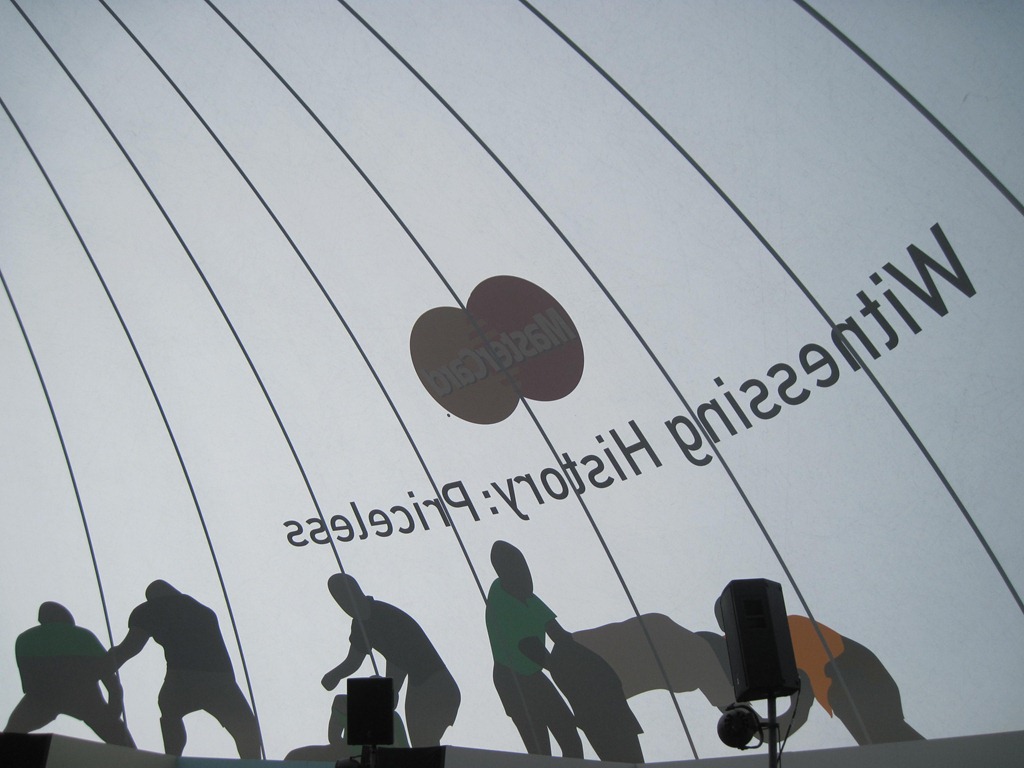
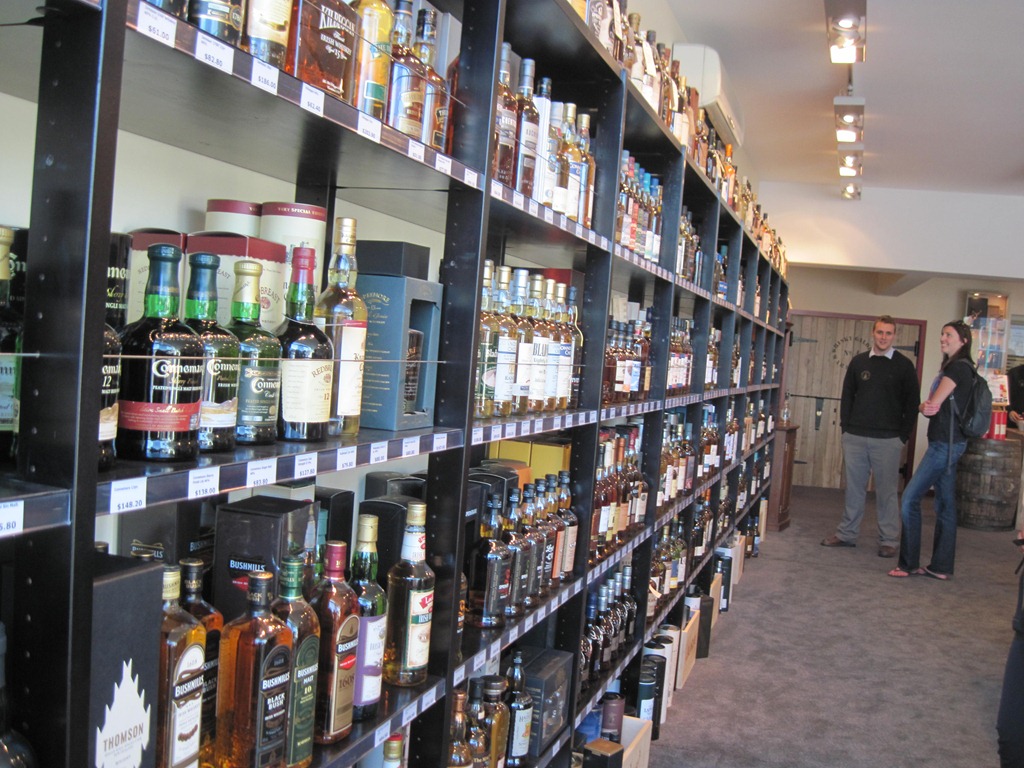
Step 8: Enjoy Christchurch a bit, (we got to go to the Rugby World Cup Expo, and then after we got here, the New Zealand All Blacks won!), see some beautiful scenery, or pretend to, and buy anything else you need.

IMG_7758

IMG_7745

IMG_7763

Step 9: The next day, put on your gear and get on the plane.

IMG_7768

IMG_7770

IMG_9275

IMG_7775

IMG_7779

IMG_7783

IMG_7790

IMG_7798

Step 10: On arrival in McMurdo, get off the plane and onto another shuttle.

IMG_9280

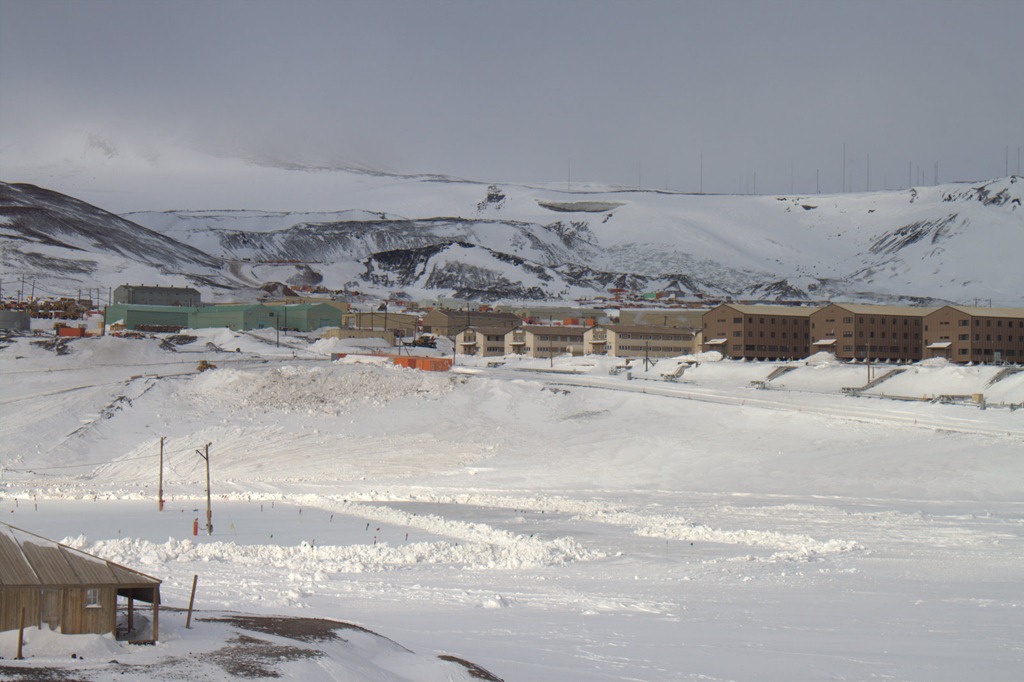
Step 11: Check out beautiful MacTown!

IMG_9355

IMG_9352

Antarctica Bound 2011

After a few months of wrangling broken fax machines, drug tests, pap smears, dental fillings, mantoux screenings, turn-your-head-and-coughs, hundreds of pages of HR paperwork, many vials of blood and other costly indignities, we are on our way back to South Pole. Saying goodbye again was oddly difficult. Leaving Minneapolis was hard, and I cried on the plane after seeing downtown for the last time. I don’t even like downtown. But I am so excited to be deploying.

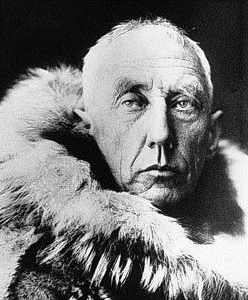
This is going to be a pretty special year to get to go to Pole; in December we will celebrate the centennial of Norwegian explorer Roald Amundsen’s arrival at the Pole in 1911, the very first human being to EVER make it to the southernmost point of our earth. It was a battle. Robert Falcon Scott’s team, only a month behind them, made it second and subsequently died on the way home. And only a hundred years later, people like Daniel and me get to apply for decidedly non-explorer-esque jobs (IT and inventory, respectively), and go there without being even slightly worried that we are going to freeze or starve or get so dehydrated or depressed or exhausted that we die. Well, maybe a little worried, but I can assure you that’s totally irrational.

I’m also pretty excited, because Amundsen was Norwegian and I’m racially Norwegian (is that a thing? I’m going to pretend that that’s a thing). I got to visit Norway two years ago to visit relatives (hello out there!), and they, understandably, had a light-hearted and proud sense of ownership of all things Polar, but especially of the fact that a Norwegian and his team were the first humans, maybe the very first living organisms for millions of years, to arrive at the South Pole.

amundsen1

It’s going to be so COOL! (Get it? Get it?)

Emergency Air Drop, Night Vision Goggles and Barrels of Fire

The folks wintering in Antarctica have had a rough season. In June, right around midwinter, an employee at McMurdo was ill enough that the National Science Foundation had to medevac them to Christchurch for treatment. This is pretty rare, and only carried out in the most extreme of situations. (Read the official news report here and check out a firsthand report by a McMurdo winterover here.)

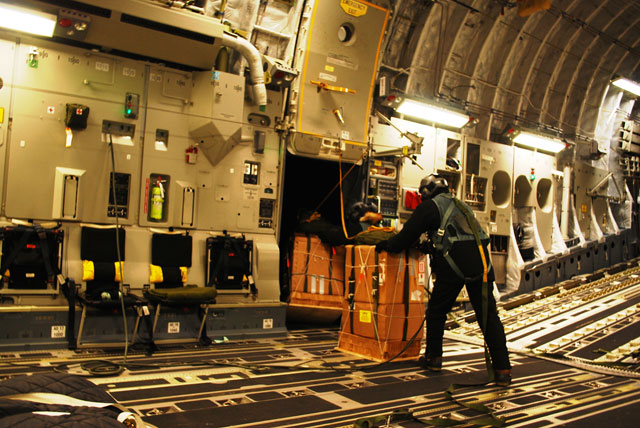
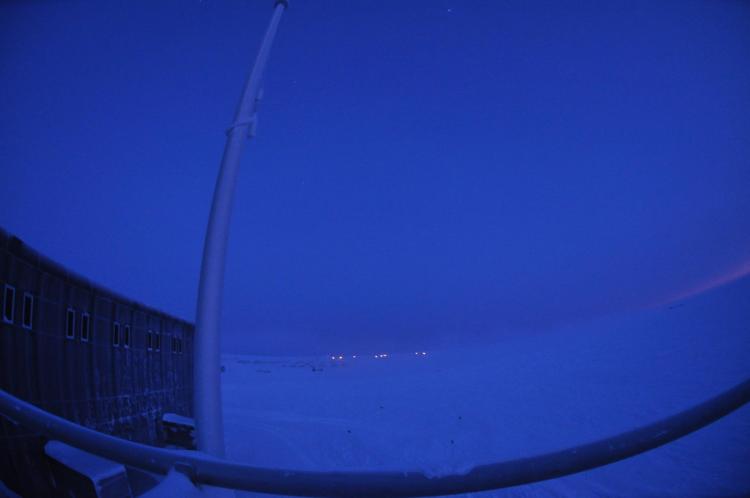
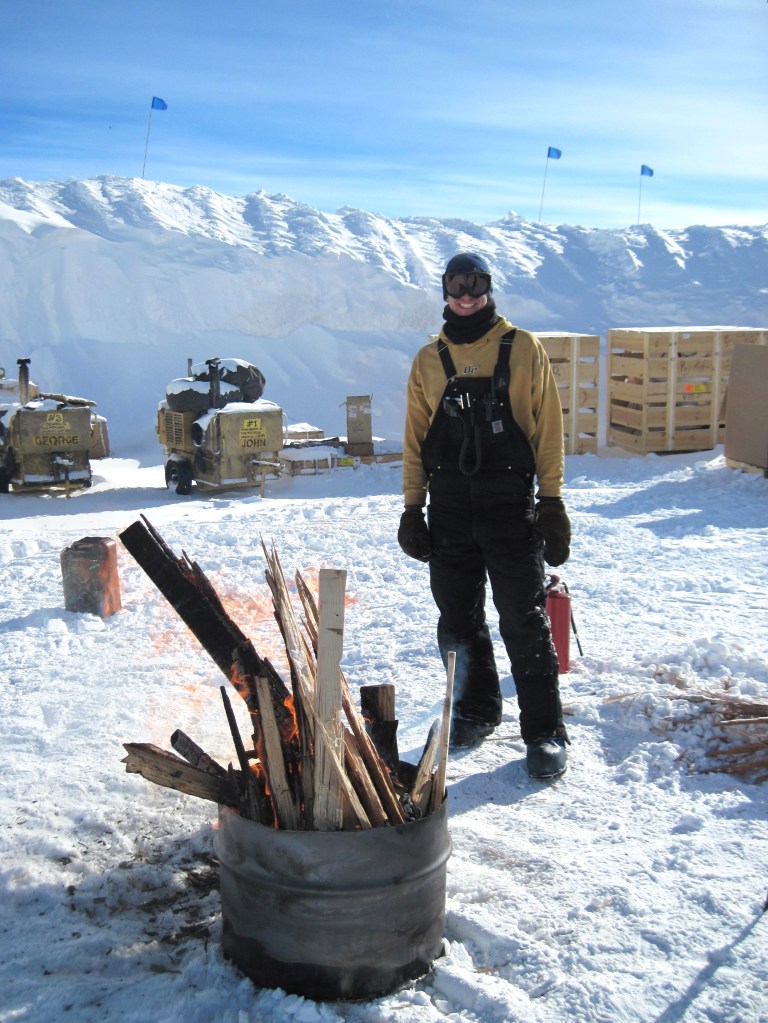
And now, the US Air Force has performed a successful air drop of “urgently needed medical supplies” for a Pole winterover. This was the first emergency air drop to Pole in almost ten years, and the very first performed with a C-17. The Air Force flew the 800 miles to Pole, and using night vision equipment to spot the drop zone lit by the ground crew with burning 55-gallon drums, they aimed two 200-pound cargo pallets equipped with parachutes and pushed them out of the C-17.

From inside the C-17. Photo credit Chief Master Sgt. Jim Masura, antarcticsun.usap.gov
The drop zone in the distance, a few hours after the drop as seen from the station. Photo by Christy Schultz

It goes without saying that we’re crossing our fingers for the crew at South Pole in their dark isolation; the first plane sill won’t be able to land until late October. I’ve heard that it’s easier to mount a rescue expedition to the international space station than it is to get to the South Pole in the winter (but don’t have a source on that, so don’t quote me–does anyone know?). From what I can tell, the combined forces of the South Pole air drop team and the US Air Force was a perfect match, and everything went as well as could possibly have been expected, and the winterovers’ practice during the summer season really paid off.

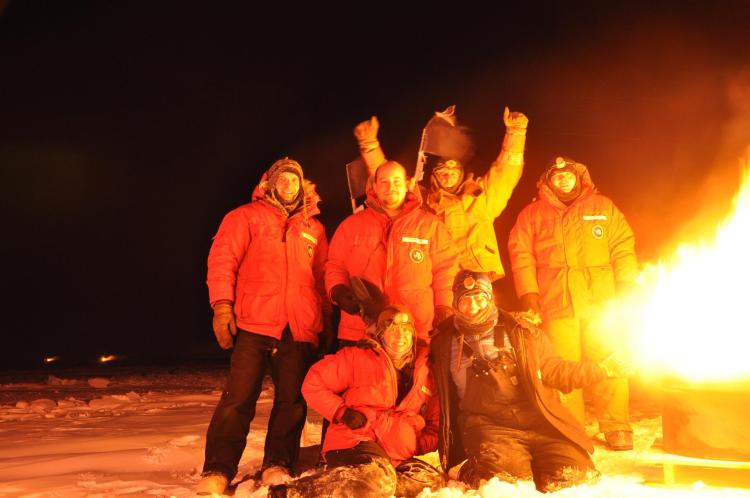
South Pole air drop ground crew. Photo by Christy Schultz
Dan the Fuelie supervises the burn barrels in a summer air drop practice last season. 12-11-2010

This article in the Antarctic Sun has really interesting information on the logistics of the air drop: “Personnel used GPS coordinates to place each barrel at a precise location for the drop zone, located about two miles from the main station. It took heavy equipment operator Rob Shaw about 30 hours to groom, or flatten, the snow around the drop zone.”

The weather at Pole during the air drop was rather warm according to the article, about -70F; from what I understand, nearly none of our vehicles run at below -80F, and many won’t run under -55 or so. The current temperature is back down to -90F. I’m not sure what they do if they have to perform an air drop in colder temps when the heavy equipment really just won’t run.

Astronomical Twilight

The sun has peeped over the horizon at McMurdo, and the first flight has arrived there, bringing with it new people with new germs, and hopefully some vegetables to make up for it.

Our friends at South Pole are still patiently waiting, but the first glow of astronomical twilight can be seen, the first solar light in the sky since the sun went down in March. Here are some photos they’ve taken over the past few months.

Aurora in twilight. Photo by Jens Dreyer from http://hunnenhorst.wordpress.com/

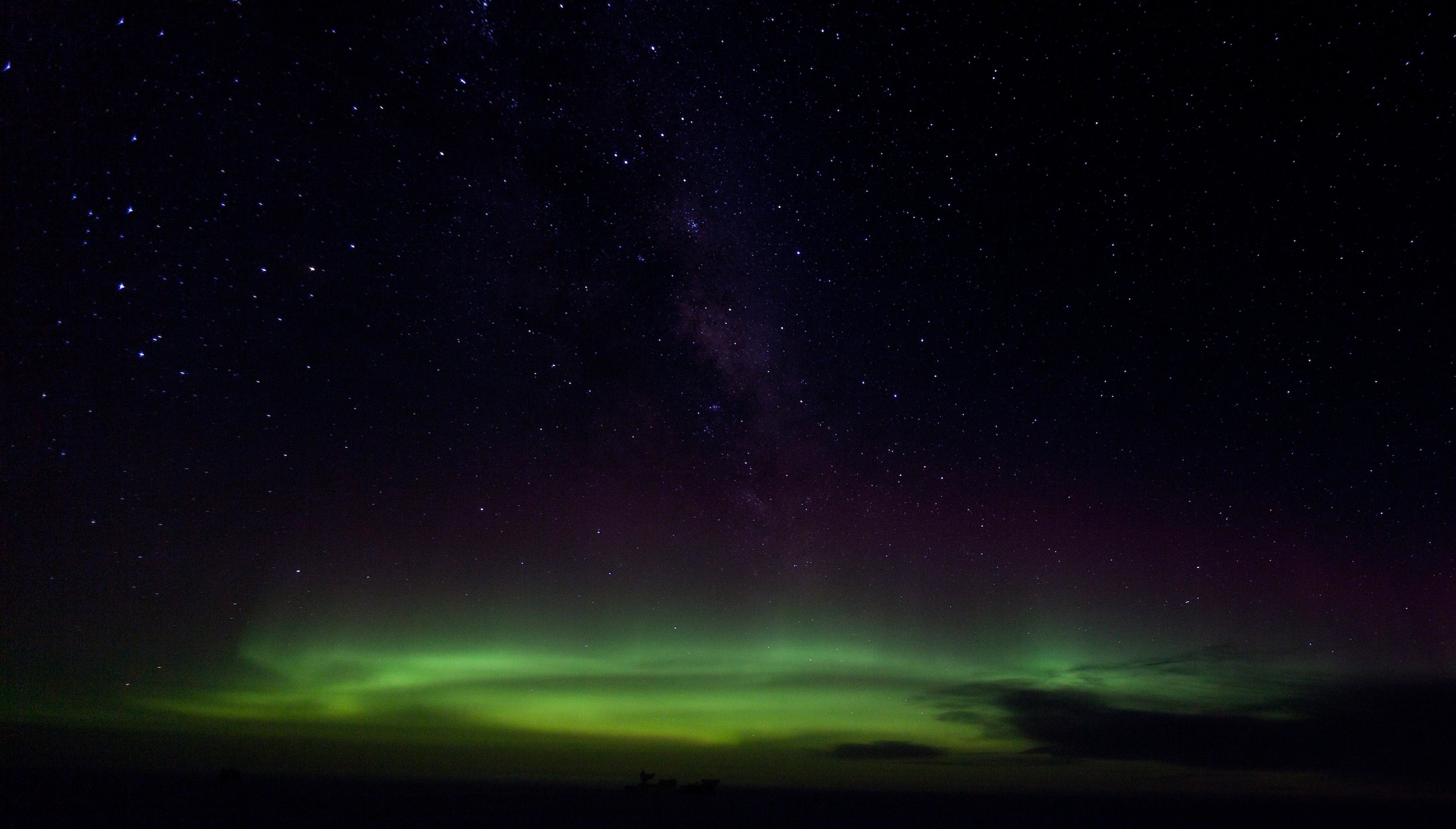
Aurora and the Milky Way. Photo by Freija Descamps from http://coldlife.blog.foreach.com/

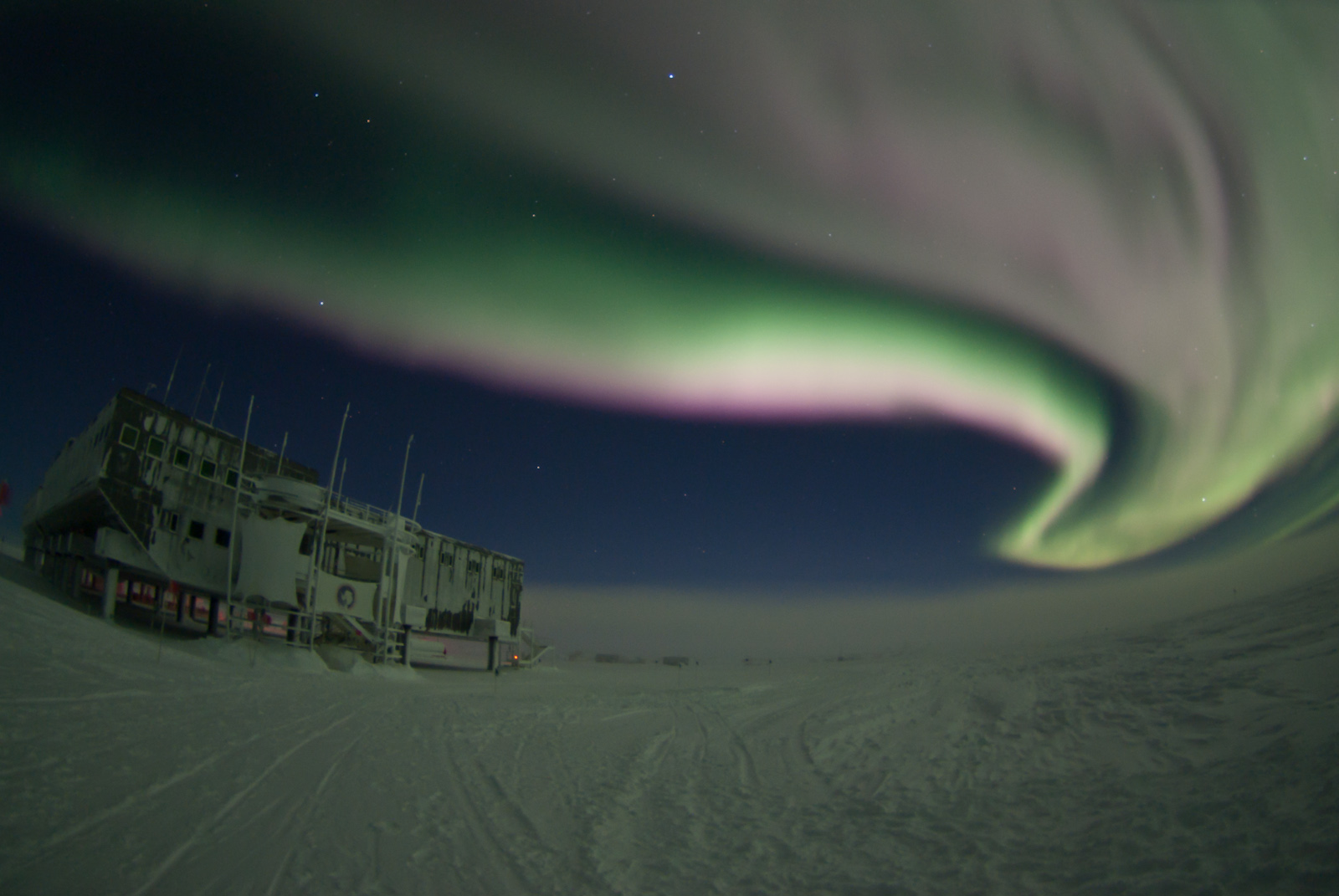
Station and a bright aurora. Photo by Jens Dreyer from http://hunnenhorst.wordpress.com/

ARO and aurora. Photo by Christy Schultz from http://www.wx-geek.blogspot.com/

Endless snow in the moonlight. Photo by Freija Descamps from http://coldlife.blog.foreach.com/

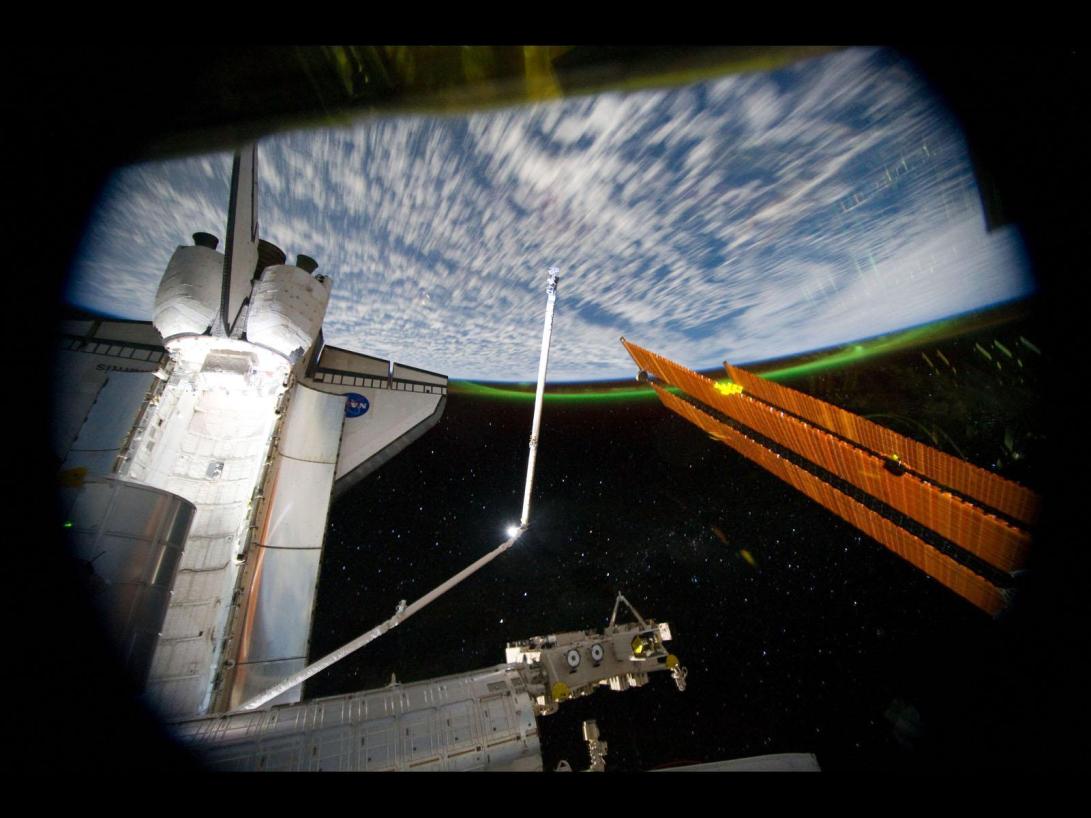
And those lovely auroras from a completely different perspective: “This panoramic shot of the aurora australis shows space shuttle Atlantis, the boom sensor system attached to the shuttle’s robotic arm, and a portion of the ISS solar panels. Credit: NASA/STS-135 crew.” This photo and caption are from http://www.nasa.gov/mission_pages/themis/news/auroras-australia-20110714.html
A few photos that aren’t of the sky:

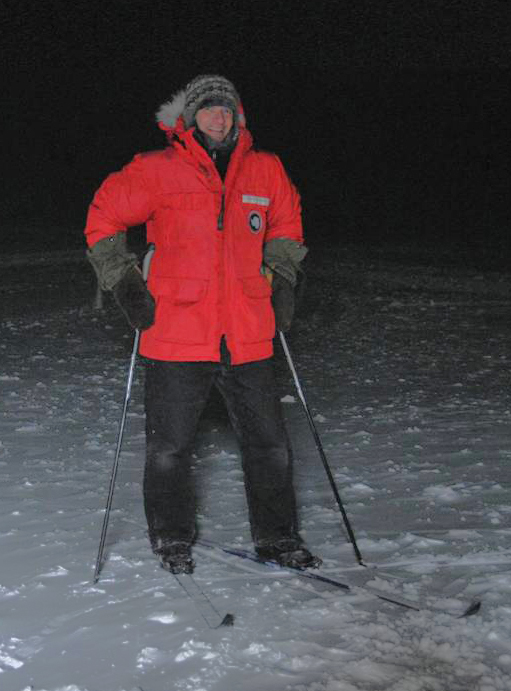
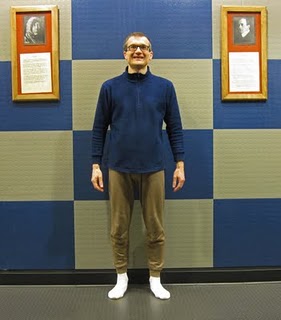
A post by Marco Tortonese on extreme cold weather skiing and what you have to wear to excercise when it’s -100 F ambient temperature. You can see the whole entry at http://marcopolie.blogspot.com/2011/07/extreme-cold-weather-skiing.html

And last, a wee sweet strawberry in the middle of a very vegetable-less winter, grown in our hydroponic greenhouse:

Photo by Jens Dreyer from http://hunnenhorst.wordpress.com/

Sometimes small, simple things are the most beautiful.

Fuel Good, Feel Good

The end of the season at South Pole went by so fast, it felt like it barely happened. From New Years Eve onward, everyone started talking about their upcoming off-ice plans and job applications for next year—that is, if they planned to come back. It was pretty difficult to focus on work and still plan for travel, and coupled with the cumulative exhaustion from altitude, lack of fresh food, dryness of the air, dropping temperatures with the onset of winter, and simply having a physically demanding job, I started to slow down a lot.

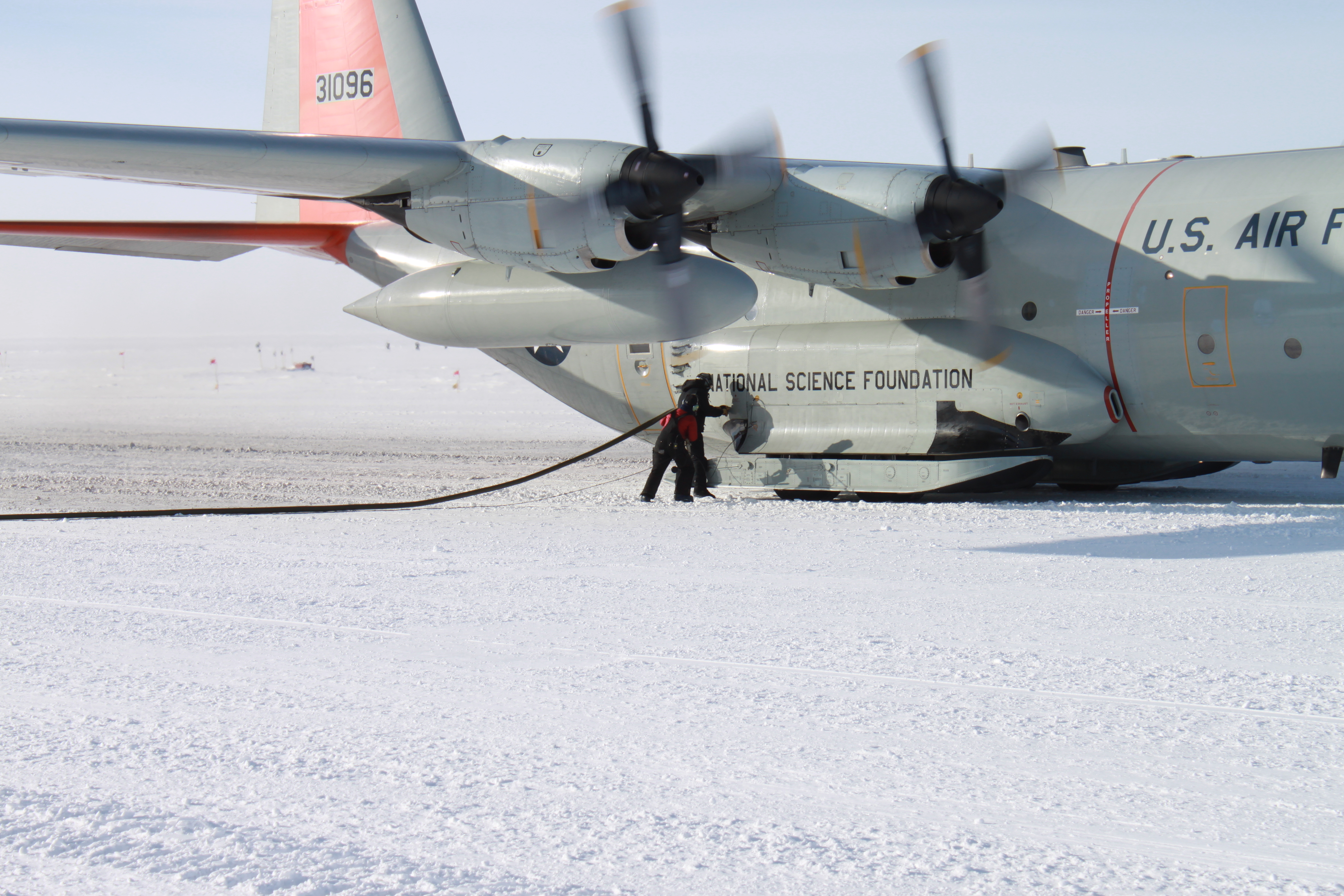
In one of my last weeks at Pole, I got to be a stand-in full time Fuelie, something I had been doing on and off throughout the season. I walked the full fuel line that runs from the flight deck where all of the fuel is offloaded from aircraft, all along the front of the station by the geographic and ceremonial poles, down through the fuel arch that extends out under the station, and the lines that run up to the Power Plant and vehicle fueling module. I performed fuel testing and helped fuel Baslers and Twin Otters. I landed LC-130s and helped defuel them, walking the heavy hose up under the wing of the aircraft in the fine line between the exhaust and the powerful propeller, so loud you can barely hear the communications on the soundproof headsets.

Fuel for testing

I’m not generally excited about airplanes, but at Pole for some reason I felt this little-boy awe and excitement at each first visual, landing, and during takeoff. But my favorite thing about working with Fuels was checking the skiway every morning to ensure it was safe for the day’s aircraft to land—riding the snowmobile a few miles out and looking for debris and downed runway flags. On a clear day I could see the endless horizon, the sun reflecting brightly off the windpolished snow, the station far, far away. And on a windy day I couldn’t see the station and my radio wouldn’t work because of the distance, and despite the reassuring rumble of the snowmobile, handles warm and vibrating under my frozen thumbs, I got a little glimpse of the frozen, barren wasteland I’ve heard so much about, stepped foot on, lived in, but so rarely saw.

Some of my favorite things from the end of the season:

-Discovering the sauna, relishing the hot, moist air and diffusion of prickly eucalyptus oil. Seeing skin (a fairly rare sight, bundled as people normally are), red-light illuminated legs and sweat and frizzy hair. We overheated and went out on the deck outside, steaming and looking at the ice.

-On a late-season manager cook day I did dishes with my friends Rachel and Joselyn (work order scheduler and greenhouse tech, respectively), playing music from the world cup and dancing in elbow-high rubber gloves to the lights of a whirly double dicso ball, pata-pata-ing and proving my theory that you can polka to anything.

-The satisfaction of taking that damn pump apart and finally, for once, finding some really obvious blockages, taking them out, and fixing the pump (I’d say once and for all, but that would be a lie).

-Seeing snow, also rare, and feeling a brief, overwhelming, visceral homesickness.

Heavy Shop on the Flight Deck–Kiwi Dave, Rachel, Jim, Dave and me.

On the way home from South Pole, after some very teary goodbyes, during which all the tears froze to our faces, we crossed back over the trans-Antarctic mountains, the first dirt I’d seen in months. Looking out under the plane’s wing, soft dinosaur mountains arching their spines up from oceans of snow, the ice’s surface like elephant skin with eddies and ripples and wrinkles snagging the bottoms of blue and white clouds, without an apparent hurry to get anywhere.

We landed that night in Christchurch, people stripping down to shorts and sandals while still on the plane, groaning with pleasure at the moist air, at the night sky, at the smell of rain and the simple joy of standing up after a long flight.

Big Things About Living Here


The climate:

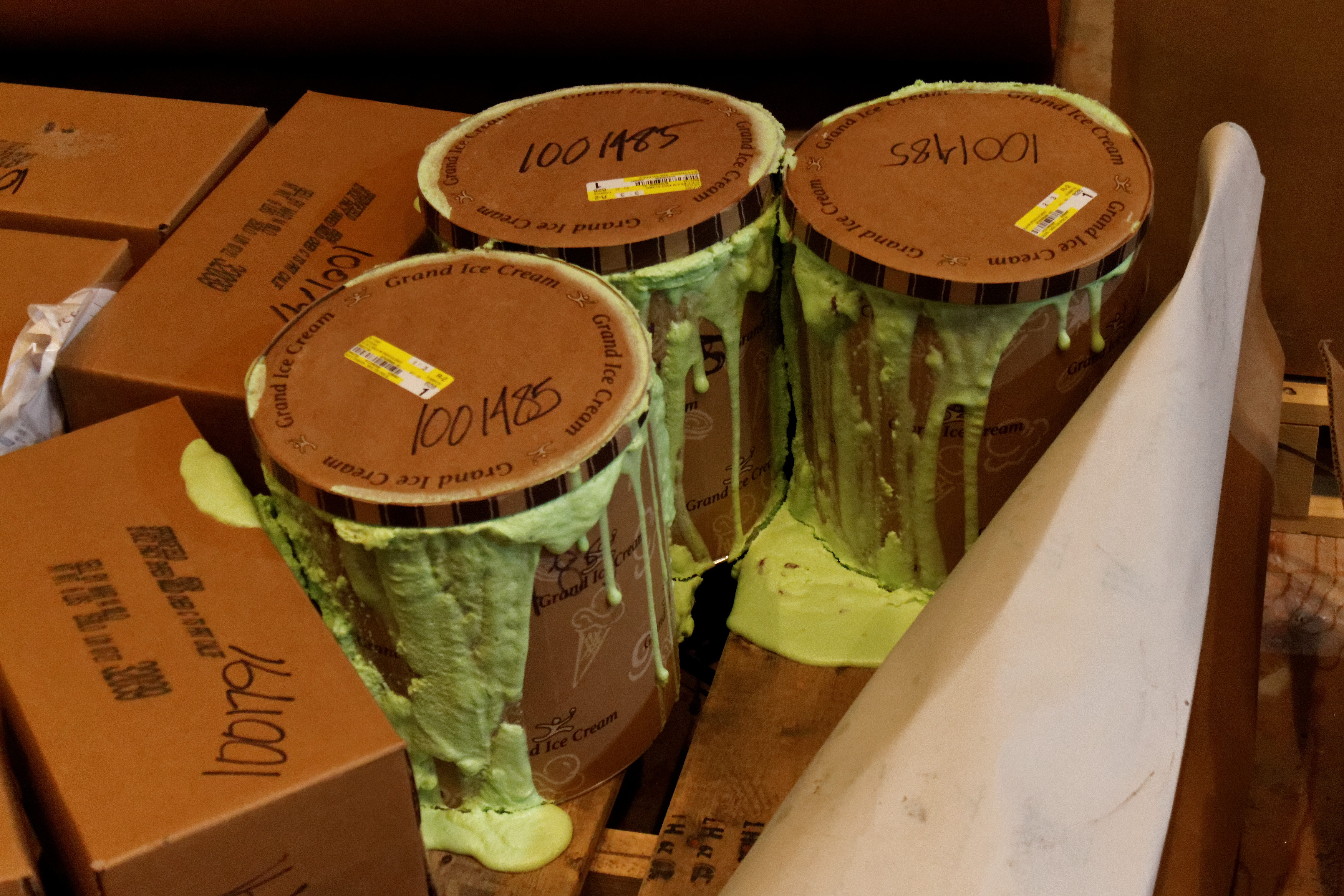
Obviously, it’s cold and dry. But it isn’t always easy to anticipate all the ways that will affect what you’re doing, in big ways and small. For example, doing inventory or pulling food from frozen storage for the coming week in the Logistics Arch/Office (L.O.), you shouldn’t even bother using a pen: it stops working immediately. For this reason, pencils (especially mechanical pencils) are a hot commodity. Also, there are natural refrigerators everywhere: on the floor, in the windows, on the cargo decks. Meat and ice cream sit out on shelves and on the floor in the L.O. The galley can freeze leftovers on the deck outside. When you work out in the gym in Summer Camp and then walk over to the bathrooms, your whole body steams, hands, feet, armpits, the top of your head. When you shower and walk back to the Jamesway, your hair freezes instantaneously.


The water restrictions:

Two minute showers, twice a week, except for certain dirty or stinky jobs (like Fuels—who get three). It’s starting to get to me, the perma-filth from the VMF. The other day I was washing my feet, leaning up against the shower wall, and I left a greasy-grey smear behind from my elbow that I couldn’t clean up, even with degreaser. When I get to Christchurch I’m taking an hour-long shower.


The food:

I have to hand it to the kitchen, they do a good job with what they have. But because of the extended supply chain, a lot of the food has been frozen on the berms for years, and it doesn’t always age well. And because the LO where the food is stored is right next to the VMF, it sometimes absorbs the exhaust. A lot. Bacon, for example, is something I have learned not to ever eat here. Pickles are so dehydrated that they’re literally paper-thin except for the ring of skin around the edge. And fresh vegetables are uncommon. When they come, you gorge. I don’t envy the kitchen’s job. It’s hard enough pleasing everyone (impossible, actually), and compounded by limited ingredients.


The internet:

Sucks, period. At this point it’s only up before I wake up in the morning and when I’m working. I depend on it for relaxation a lot more than I ever thought, and I can’t have it, and it’s frustrating.


The gossip culture:

Once you get over the honeymoon of being here, taking your picture at the Pole, commiserating about your Jamesway, and buying some souvenirs, not a lot changes. The one thing that’s always evolving and always interesting is people, for better or or worse. People start dating, stop dating, drink too much, pick a fight, have run-ins with coworkers or neighbors. Close quarters mean you can hear a lot more than you would in a normal residence: fights, sex, vomiting, late-night whispers. And people talk about it, because it’s interesting, and because everybody pretty much knows everybody else. However, it can also be really dangerous and get out of hand really quickly, and you can hurt and lose your friends with a slip of the tongue.


The skua system:

If I could take one thing about Antarctica back to my home community, it would be skua. Named after crafty, aggressive birds closer to the coast, skua is a sharing system for unwanted, but still nice, stuff. Pants don’t fit right? Slight stain or hole? Flying out and you still have a whole bottle of shampoo left? Put it in skua. I have found so many great things in skua: clothing, boots, books, toiletries, craft supplies. It’s like a used-things store, except you don’t have to pay for it. It’s great. It also satisfies a mild shopping urge every now and then, and provides an endless source of material for sewing projects.


House Mouse:

Everyone has to clean the bathroom they use once a week on an assigned date. I think this is a good system because it gives everyone equal accountability and a feeling of responsibility for our public living spaces. Also, you can get out of work for an hour.


The difficulty of not being able to separate work and home life:

This doesn’t really seem like a big deal, but it’s surprising how much I miss things like commuting home (even, sometimes, traffic), going to the grocery store, making dinner, going for a walk, wasting time on the internet, watching TV, or just going to see something different than you always see to decompress from a hard day at work. If someone at work is frustrating you, you’re still going to see them at dinner, in the bathroom, at the store, in the lounge. You run into your boss at your worst: sick, tired, bad attitude days, forgot to brush your teeth on a Sunday days. I imagine the work-social mixedness makes on-ice romance more complicated, new relationships but especially break ups, and especially in the winter (you live with some 45 other people for eight months straight, no breaks, no escaping). On the other hand, it really gives you the opportunity to know people in an in-depth way faster than you ever would working with them for forty hours a week; friendships get sped up to close in a way I really like and I’ve met some people who I hope will be lifelong friends.


Michele from Midwest, my old job, asked me if I’m happy I came here, and I am. Despite being homesick and tired, and despite some of the quirkier, more frustrating things about living here, I’ve learned a ton and met some really interesting people who are living a life I have only dreamed of. My New Years resolutions list and my laundry list of minor life goals are growing, and I’m inspired by my coworkers here who can make their lives happen the way they want with on-again-off-again employment, crappy healthcare, patchwork living situations and amazing travel experiences. I still feel really lucky to be here and to be planning the next year out with Daniel. I think the whole thing is summed up pretty well by something I overheard from someone I don’t even know; people were complaining about the food (or the internet or something) and the guy replies, “I’m just happy to be here.” I’m still just happy to be here.

South Pole Photo Extravaganza!

I had a request for more photos–here they are!

As always, click on photos to enlarge.

Julie, Kiell and Angela at South Pole Telescope.

South Pole Telescope and Facility.

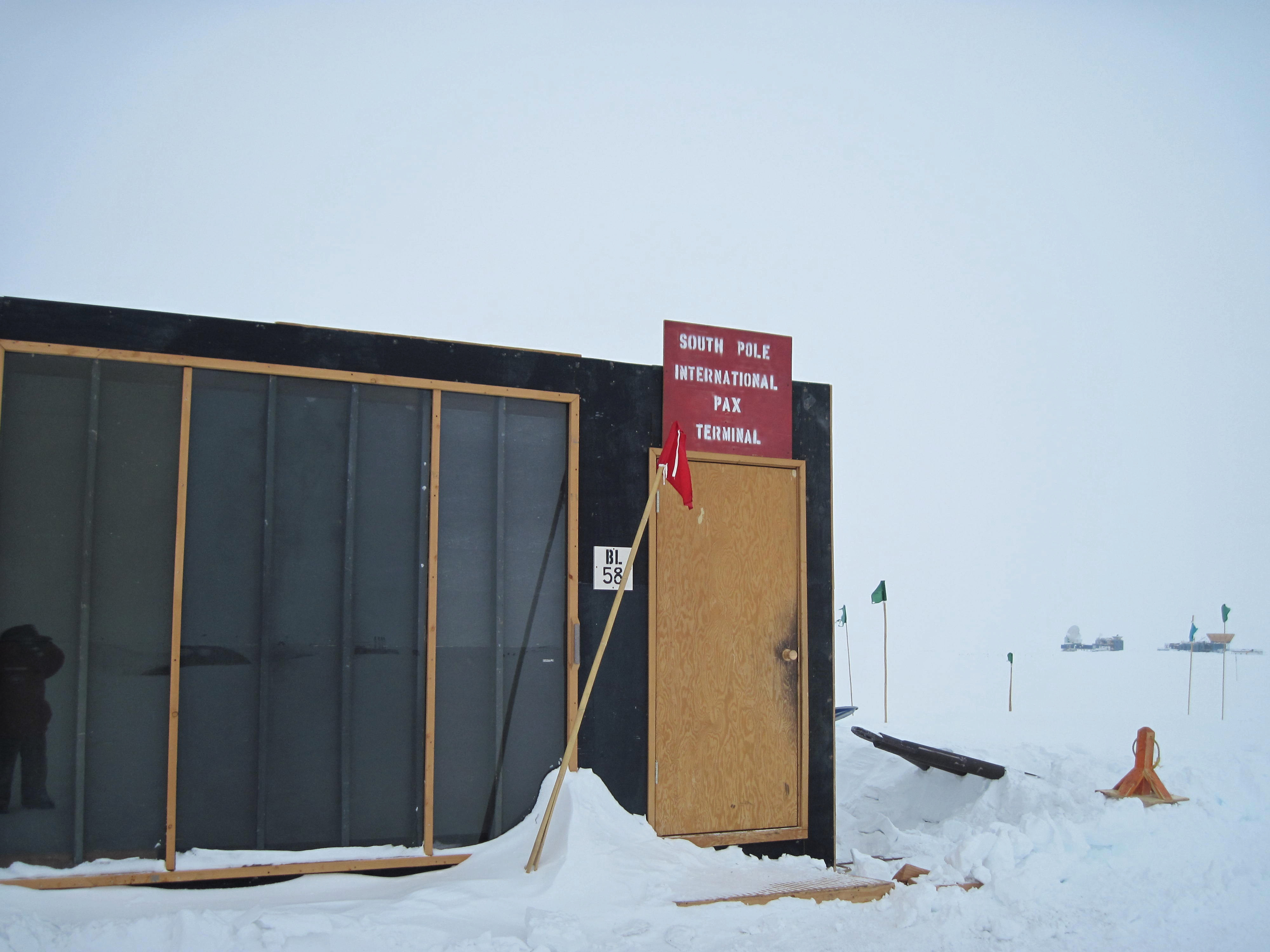
The South Pole International Passenger Terminal/Fuelie warm-up shack.

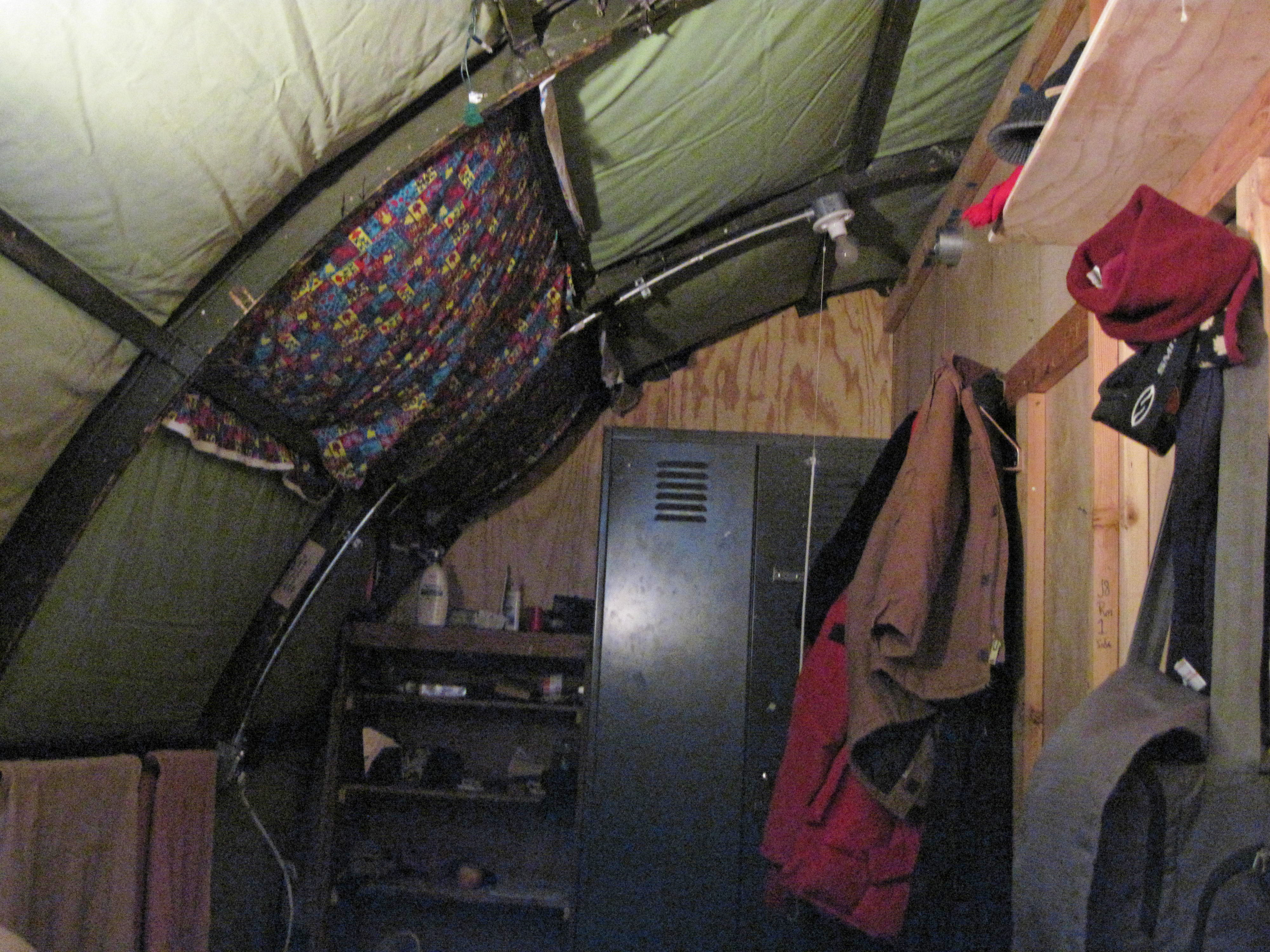
Our room inside Jamesway 8 (taken from the bed).

Icy bolts inside the VMF arch.

Big Country having a cigarette in his undies before bed outside the Jamesways.

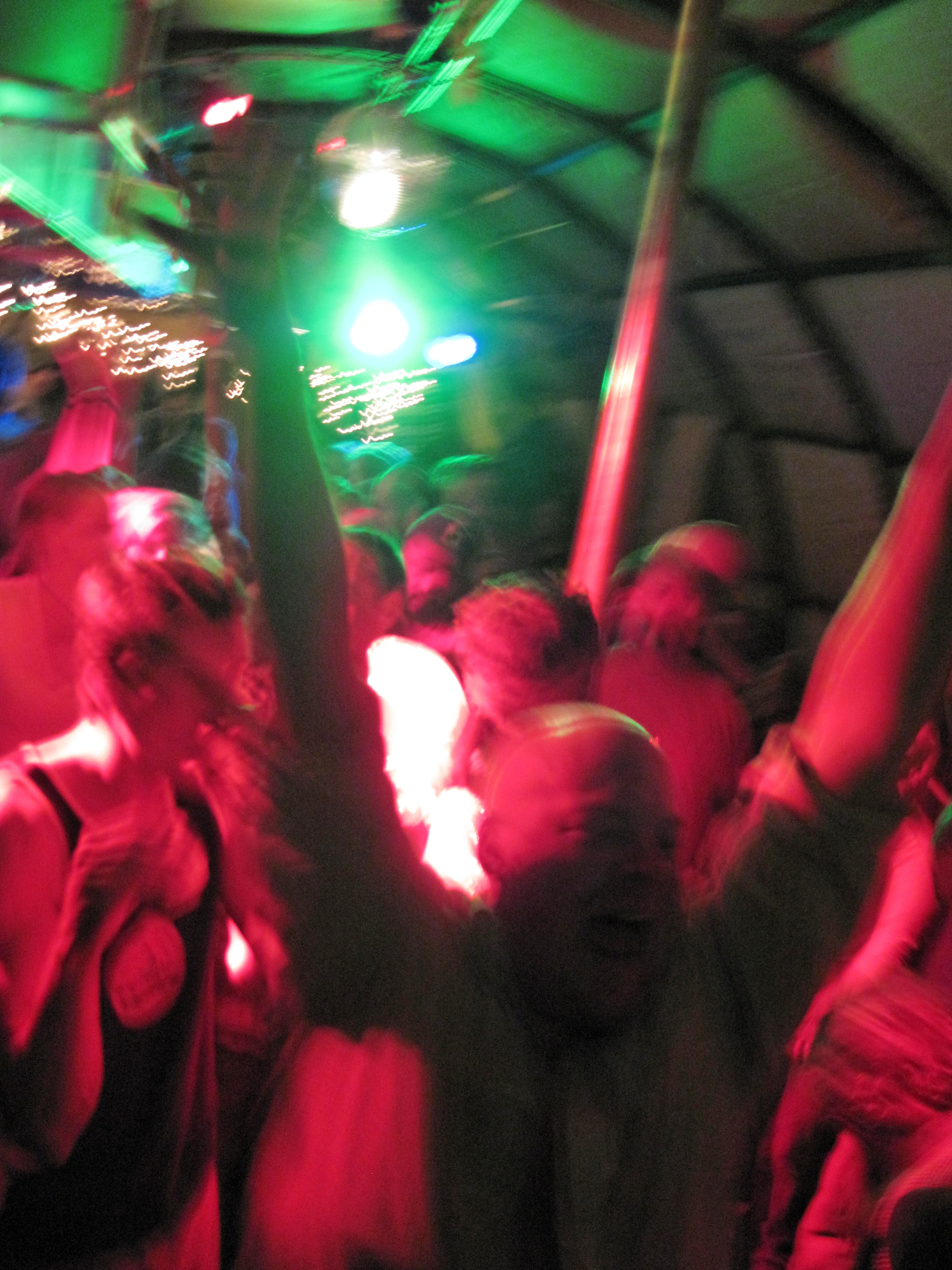
Party in Summer Camp lounge.

Ben and Daniel doing dishes on Manager Cook Day.

Trudy Lyn at the Summer Camp open mic night.

This is a puddle. It looks like Antarctica to me.

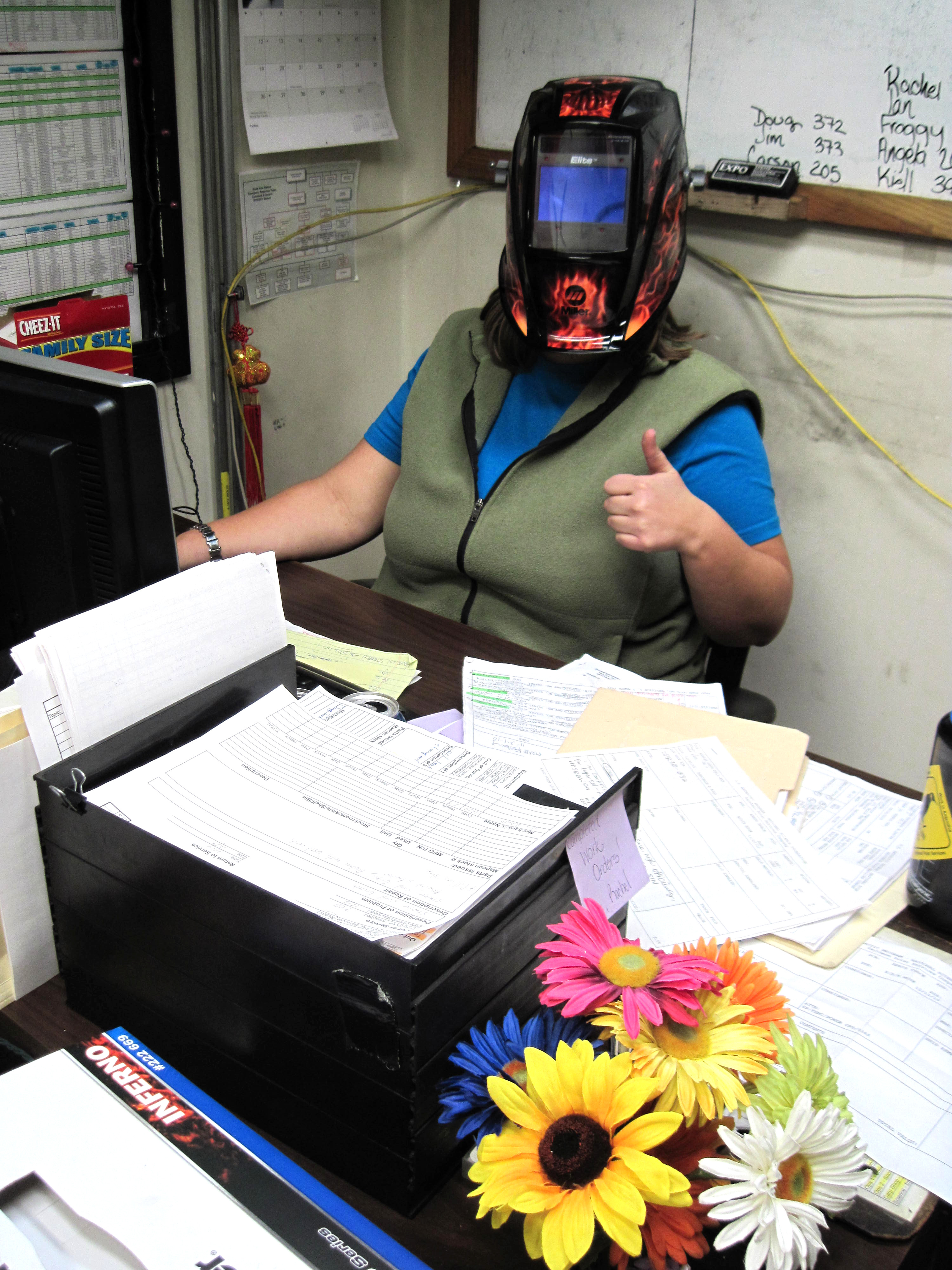
Rachel + new welding helmet + plastic flowers = a normal day in the VMF office.

Playing football at the Carp Shop party.

Playing washers at the Carp Shop party.

The view of the Station, Powerplant Arch and VMF Arch from the Fueling Module.

Plumbers at the Milvans.

Antarctic Research Observatory–Clean Air Sector.

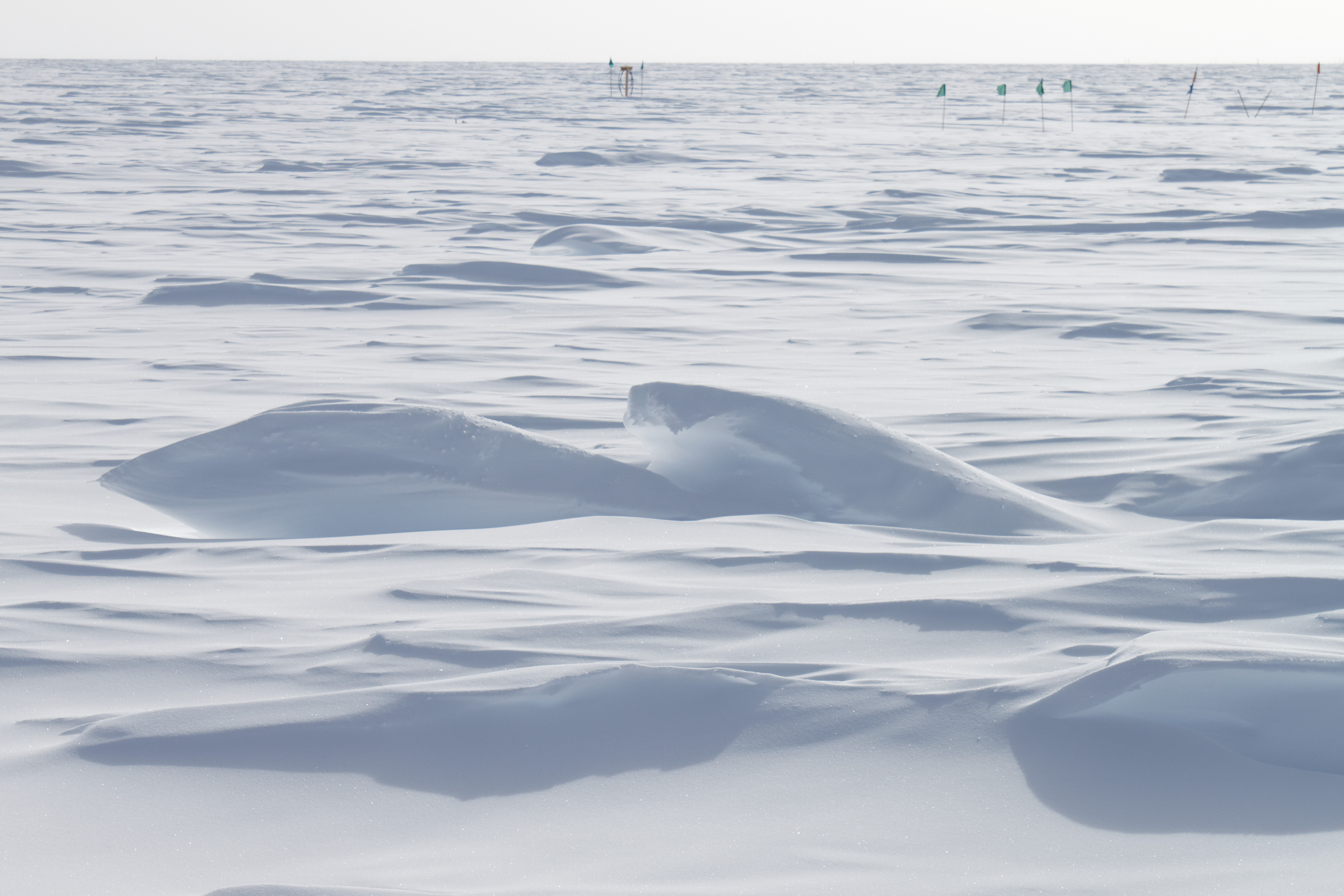
Sastrugi: wind-texturized snow.

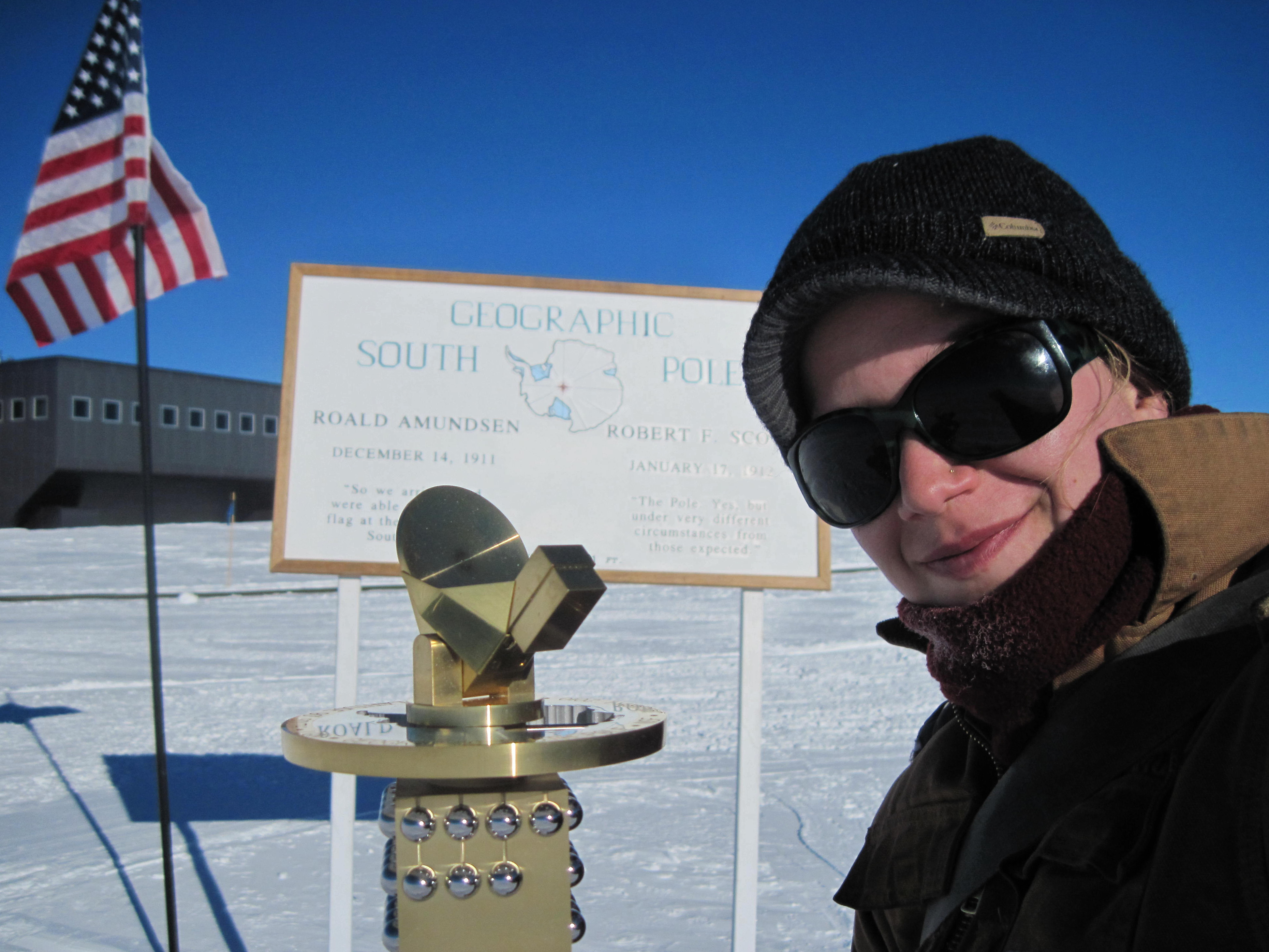
Kiell at the Geographic South Pole.

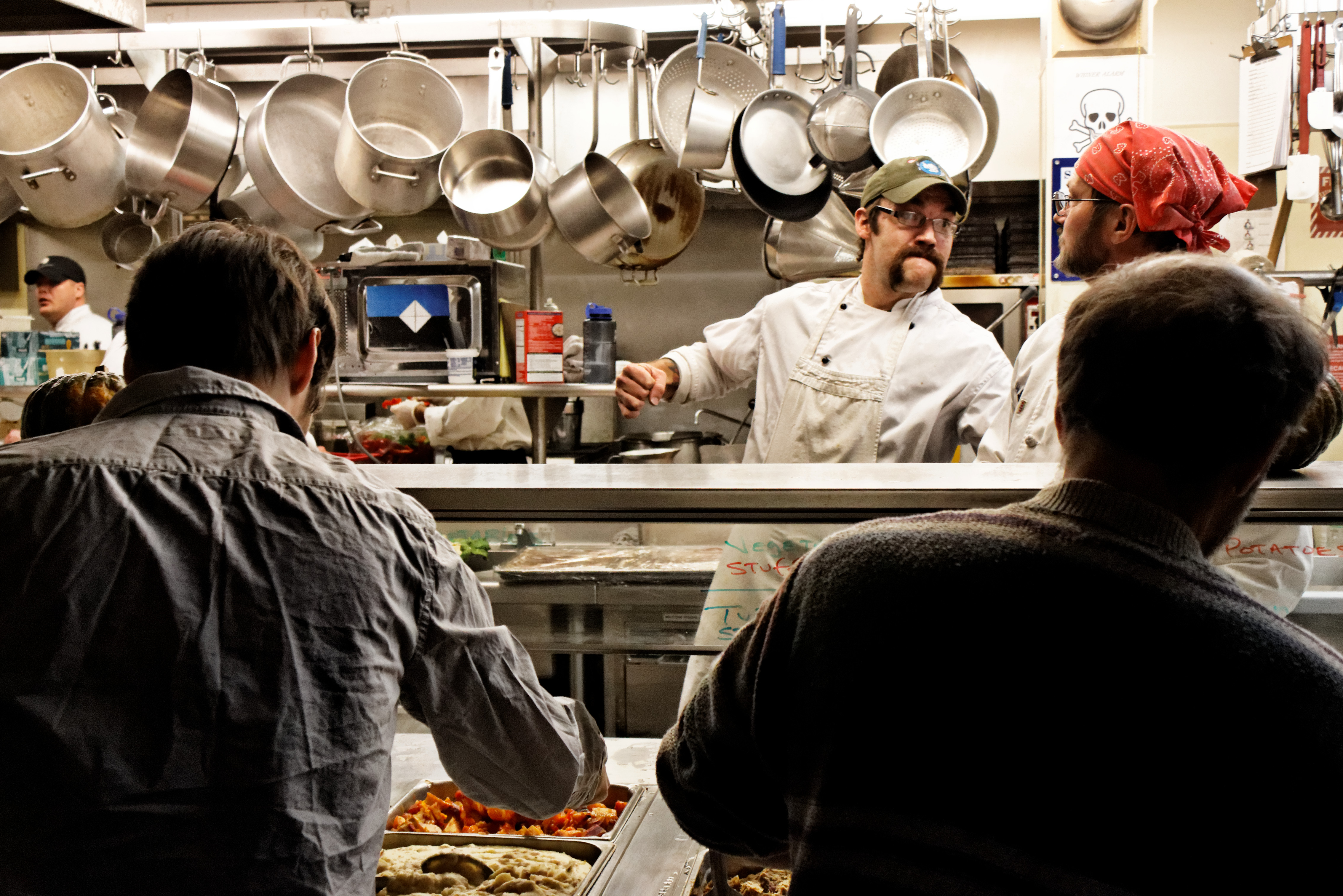
Kitchen shenanigans.

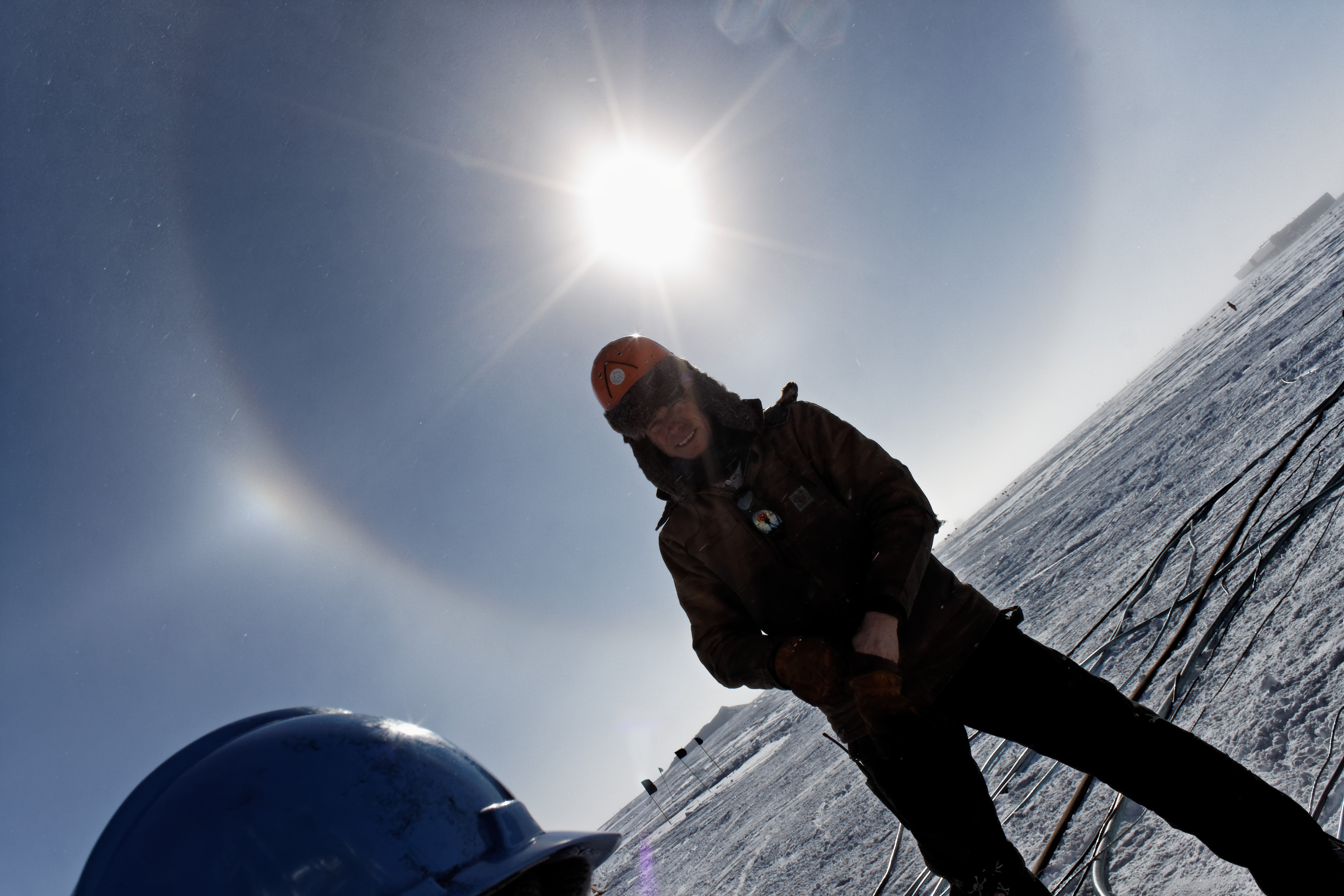
Jim the shop foreman and a sundog.

The incoming South Pole Traverse, the tiny speck right in the middle of this photo.  On the left, lines of storage berms and the Remote Satellite Facilities, on the right, the runway.

The view from the End of the World.

Pistachio ice cream explosion in the LO Arch.

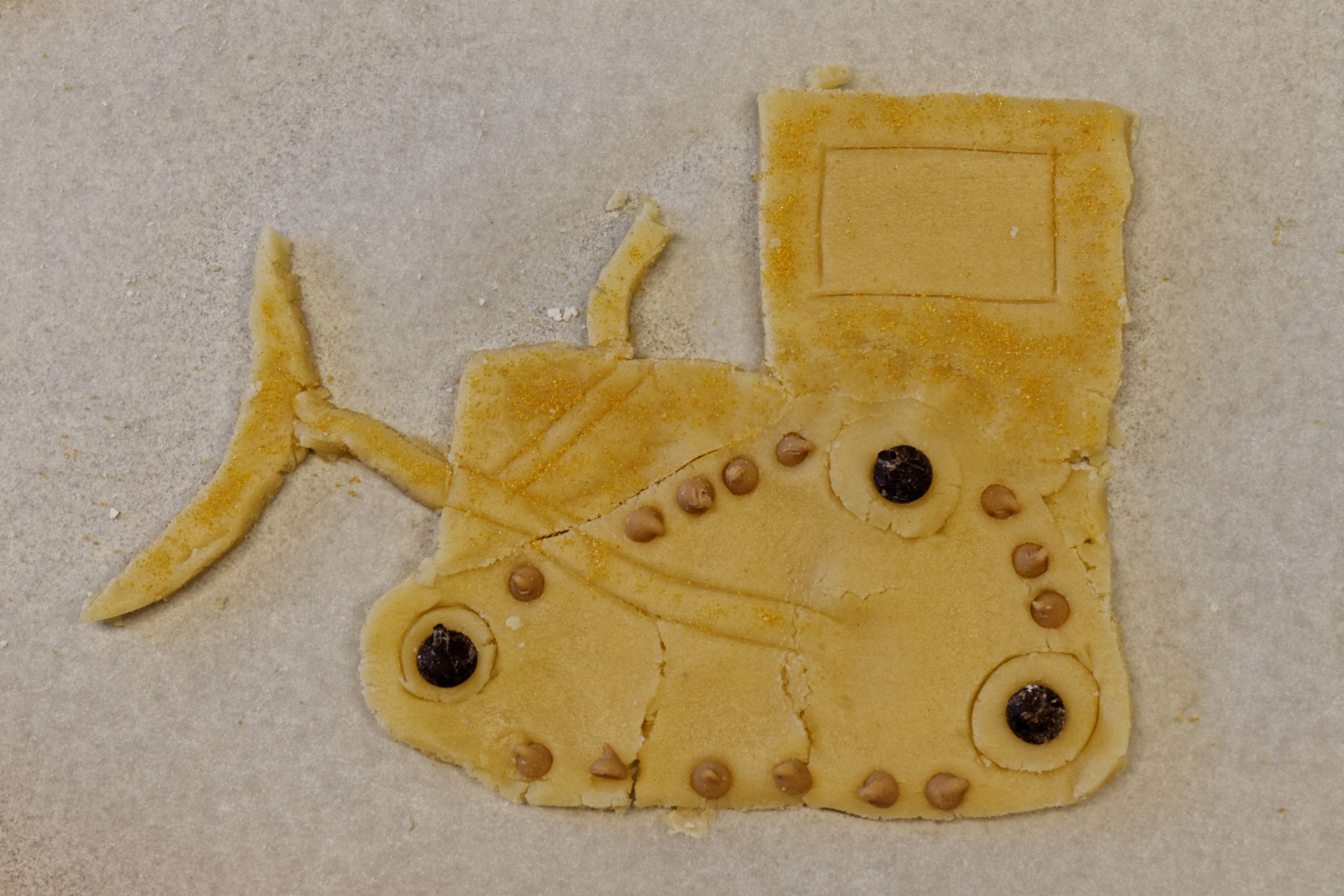
Bulldozer cookie made by Rachel.

Sarra, Kiell and Rachel at the Ceremonial South Pole.