Flying from the Ross Ice Shelf to the South Pole

Flying in Antarctica tests your flexibility.

My original flight from McMurdo to South Pole was set for November first at 5 am (New Zealand time), moved forward to the 27th of October, cancelled because of weather delay, and moved to the next day, the 28th.

We took a Delta, a passenger vehicle that looks like a giant red metal ant, out to the ice runway in the morning, optimistic and excited at the weather reports for both takeoff and landing. There are two main types of delay here: weather and mechanical. We had all forgotten about mechanical delay.

Our group sat crammed in the Delta, feet going numb and legs getting stiff, blowing bubble gum bubbles that popped with a little puff of foggy breath, optimism waning with each update on the plane’s sorry status. Six hours later, tired and hungry and wishing we had landed three hours ago, we crunched and groaned and bounced along the sea ice in our Delta, returning to McMurdo for the night and hoping that there would still be beds for us despite the hundred-some people that had landed in a C-17 that day. I was disappointed but spent the evening with some girlfriends from Pole who bought me a birthday beer and told me that tomorrow was another day.

And it was. Now just three days before my scheduled flight and over a week after some other people’s, we skeptically dragged our bags back up the hill to cargo in the morning. We sat in the vehicle, comparing the food we had packed, learning a lesson from the hungry day before. Soggy sandwiches (for those who had been smart enough to pack them the day before our first scheduled flight), flat sat-upon doughnuts, granola, an avocado, or two pieces of french toast. As we progressed, we drove straight out to the runway, arrived directly at the plane (the first good sign) which was already fueled (the second good sign) and took off right on time (the third good sign).

The weather at Pole was flirting with the temperature limit that a C-130 can land in, so we crossed our fingers that our flight wouldn’t boomerang, which means exactly what it sounds like, and tried to not get too excited until we started our descent to Pole.

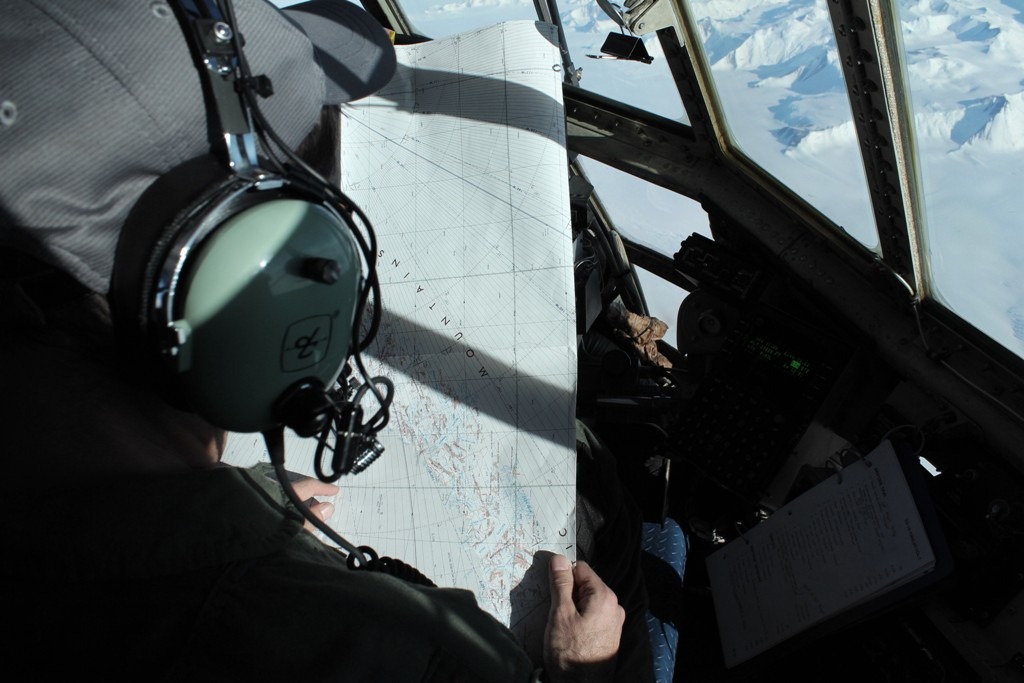
The flight was amazing. Laden with Emergency Cold Weather gear, boots and overalls and huge jackets and layers, you have to carefully plant each step to move about the plane and not step on or awkwardly straddle another passenger for too long. Through the tiny porthole window, and without any sense of how far up you are or how big the landscape below you is, you can see the terrain evolving below, pressing your head on the cold metal of the plane, the roaring drone of the props vibrating though your skull.

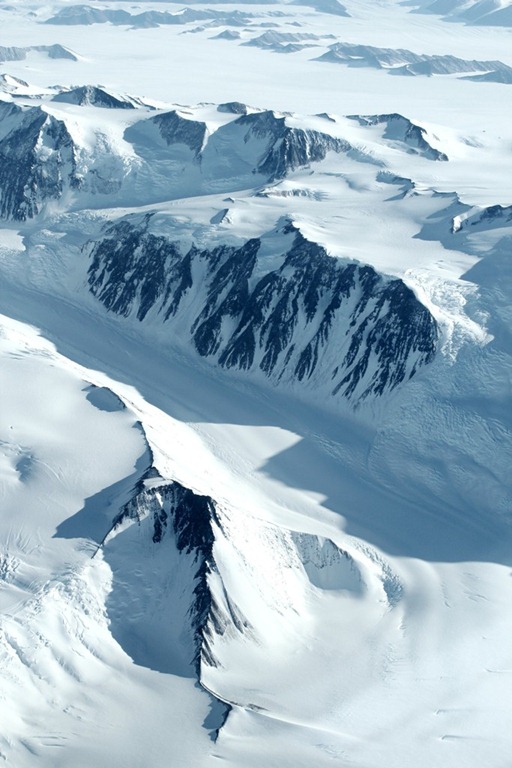
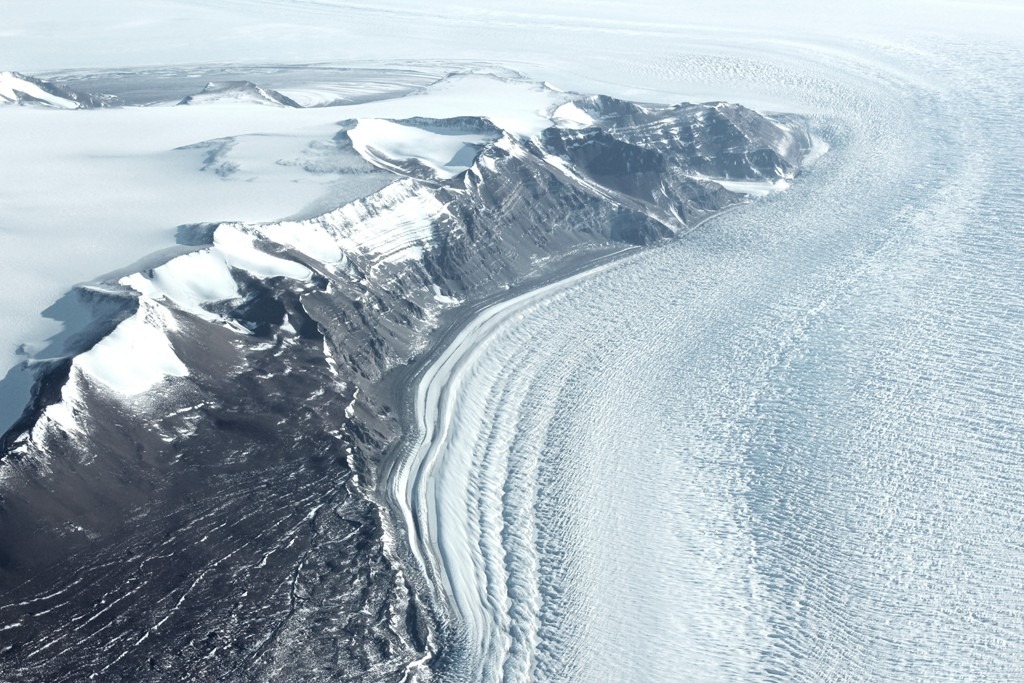
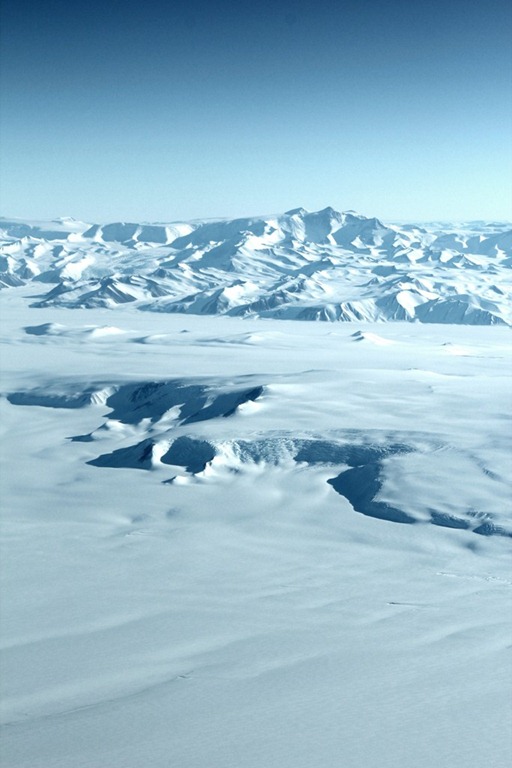
I said goodbye to dirt, watching the mountains melt into flat, blue ice like a lake surface. The face of the earth became flatter, whiter, flatter, whiter. You can see evidence of glacial flow, like seeing time pass, wrinkles and pockmarks and silky snowy spots like aged skin, shiny crusty ice that looks like you could stand on it until you shifted your weight and broke through, some marks like crop circles. Icy blue, as uninspired as that sounds. On we flew, over crevasses that look like dry, split fingertips in the winter, tiny and feathered on one side, gaping and deep and scary on the other side. I wondered if we were flying over any ski-in expeditions or what route they might take, and if they could hear us and whether they were waving at us from so far below.

(The following photos are by Marie McLane, who works cargo here at Pole and is a science tech in Greenland, and whose blog, AntarcticArctic, is pretty neat and has lots of photos and more info about flight Ops than mine so you should probably check it out.)
IMG_7699

IMG_7708

IMG_7713

IMG_7715

IMG_7756

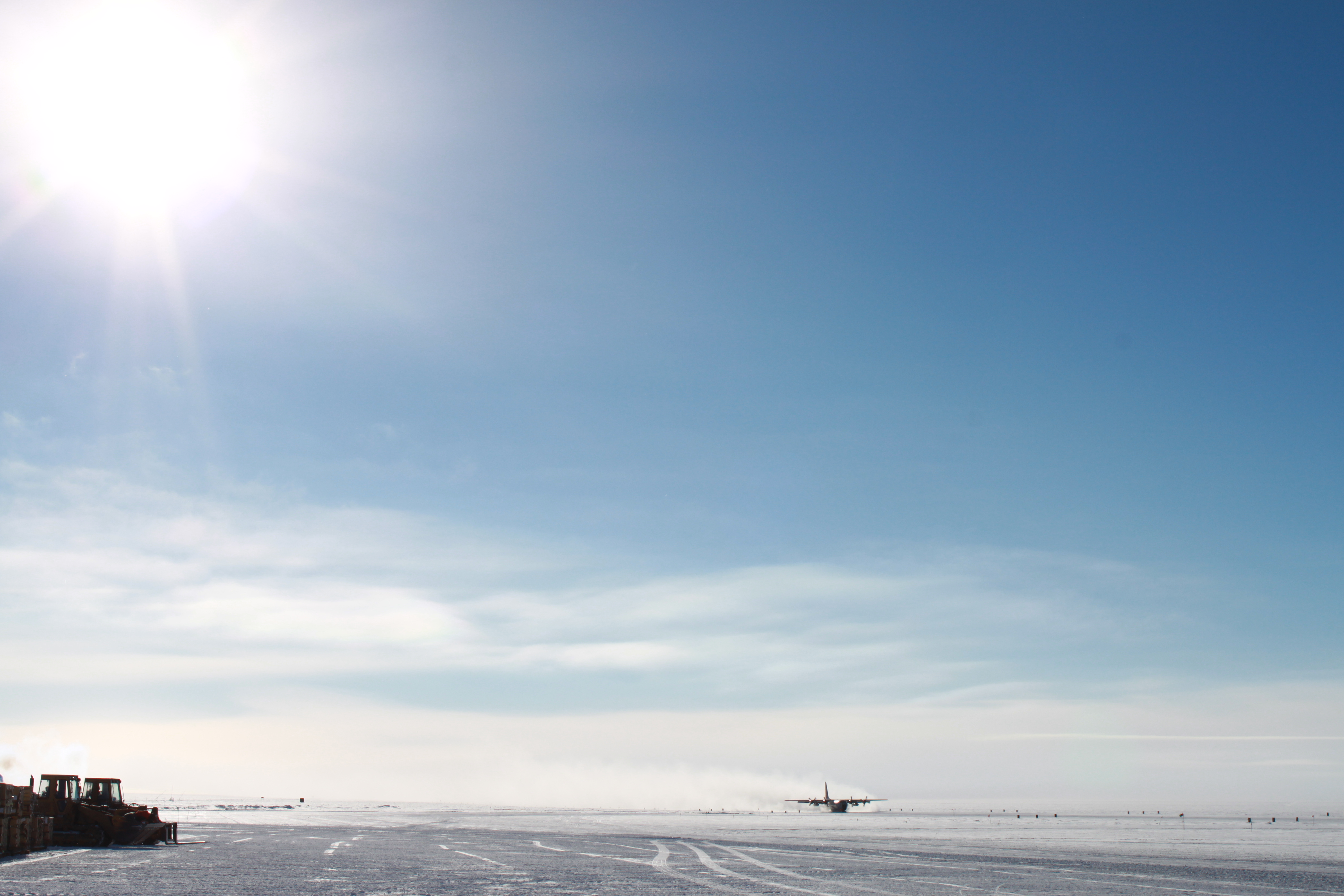
We landed, the engines getting louder like a volcano about to explode, and without being able to see and because of the rattle of the plane, it sometimes would seem like we had touched down even when we hadn’t. When we finally did land, I felt us turn off the skiway and onto the apron, and we droned along for what seemed like forever. The NY air national guard crew dropped the rear cargo door down, the plane yawning and flushing us with bright, bright fog and snow and steam and sucking the heat and moisture out of the plane all of a sudden. Out slid the cargo, disappearing immediately into the whiteness, and the crew closed up the door and the plane slowly crept forward and stopped.

Even though I knew what to expect this time, disembarking the aircraft was overwhelming. The ambient temperature was close to –60, the windchill nearly –90, the air was dry and the altitude was steep and the roar of the propellers just off to the side was immense and the sun was bright and here I was, returning to the South Pole, a little bit excited and pretty emotional and really really cold. I choked on my first few breaths. A crewmember held a line out from the door, to guide us and prevent passengers from getting thunderstruck and confused and turning left instead of right, walking straight into the props and losing their head, literally. All the way up to the nose of the plane came the ground crew, our friends and coworkers, putting out little guide markers showing where to walk to exit the apron.

There were cold but happy reunions with winterovers, jumps for joy and breathless hugs and frozen tears. There were new people as well as returnees with cameras and cold shutterfingers and a holy shit, I’m at the bottom of the planet stance, and, I would imagine, wide eyes behind their goggles and gaiters and balaclavas. Having arrived about a week before us, Daniel came to carry my bag for me, which seemed much heavier than it had been at sea level, and gave me a cold, wet, polarfleece little kiss.

It feels really good to be back.

More soon on the new job and life at the pole. If you’re missing blog posts and want to get more updates right to your inbox, you can subscribe for free to email or rss!

Quote of the Day

“Travel is glamorous only in retrospect.” -Paul Theroux

I’m getting the travel bug again… just a few months ago I was so exhausted, so jaded and homesick, so over traveler’s diarrhea and malaria fever scares and IV drips at foreign clinics, so hungry for home and family and familiar sights and smells. And yet…

There’s this capacity for selective amnesia; the distressing and banal things about travel are fading. I find myself idly looking at travel guides for Turkey, Albania, Korea.

What about you? Where do you long to go?

Astronomical Twilight

The sun has peeped over the horizon at McMurdo, and the first flight has arrived there, bringing with it new people with new germs, and hopefully some vegetables to make up for it.

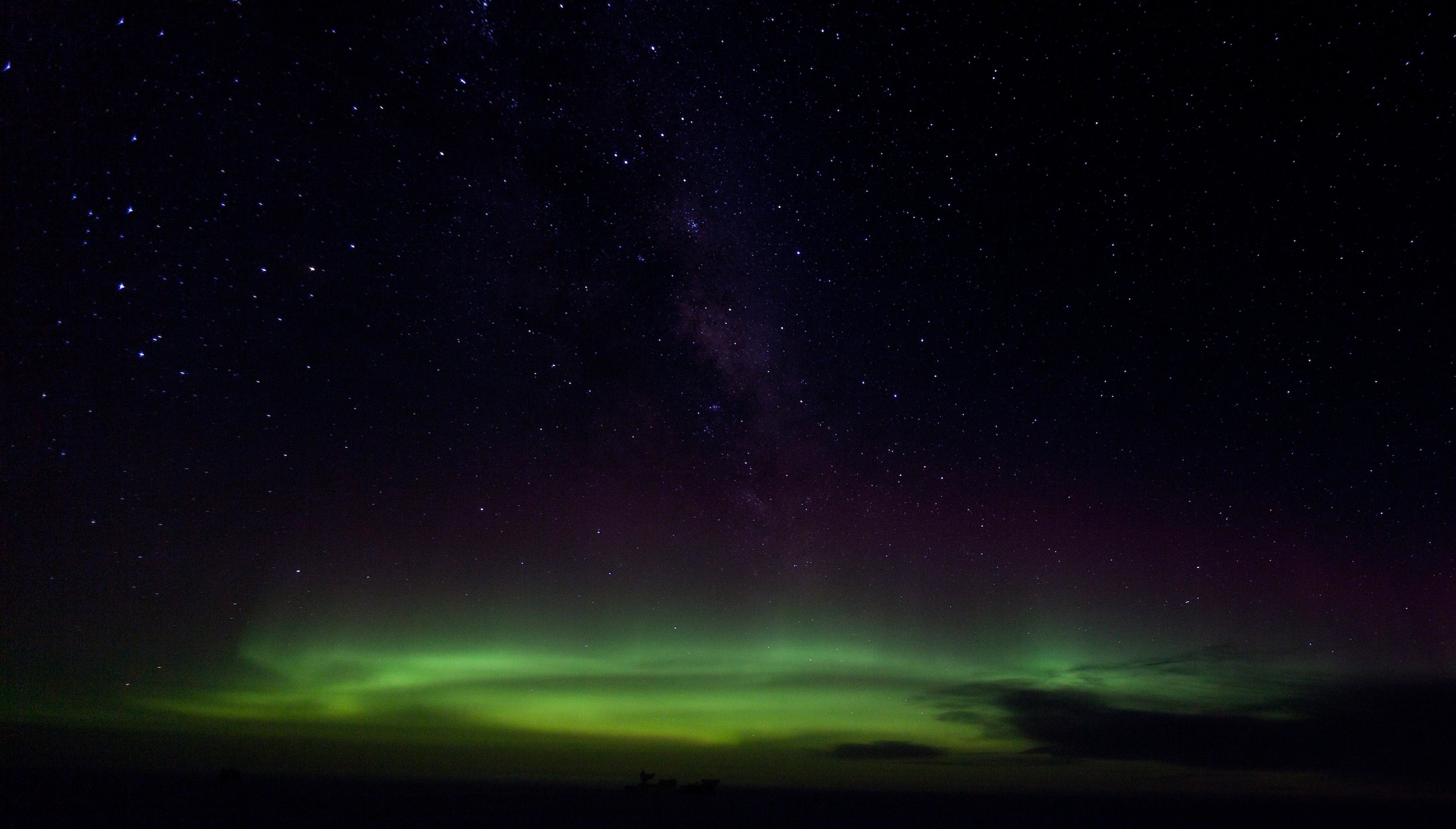
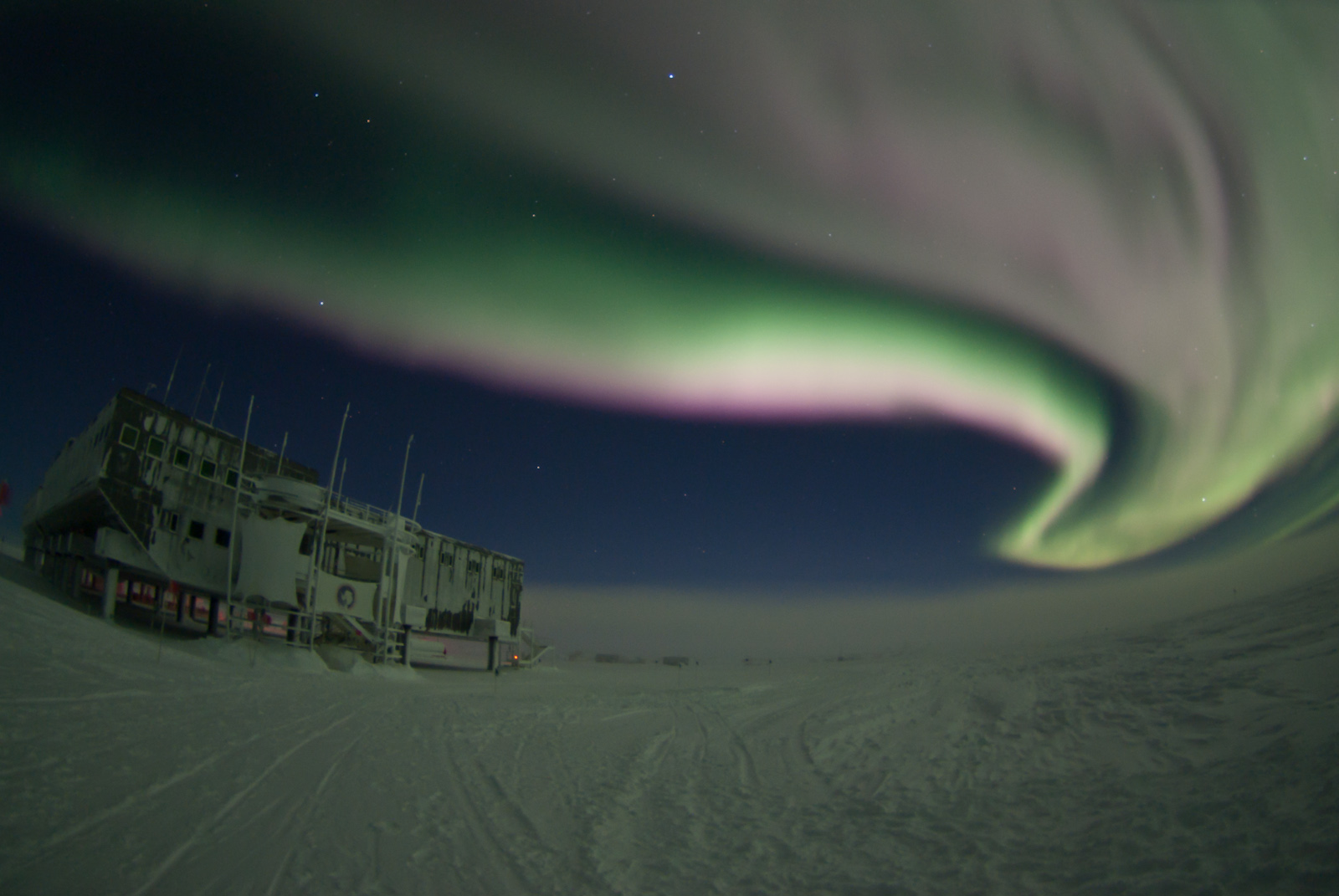
Our friends at South Pole are still patiently waiting, but the first glow of astronomical twilight can be seen, the first solar light in the sky since the sun went down in March. Here are some photos they’ve taken over the past few months.

Aurora in twilight. Photo by Jens Dreyer from http://hunnenhorst.wordpress.com/

Aurora and the Milky Way. Photo by Freija Descamps from http://coldlife.blog.foreach.com/

Station and a bright aurora. Photo by Jens Dreyer from http://hunnenhorst.wordpress.com/

ARO and aurora. Photo by Christy Schultz from http://www.wx-geek.blogspot.com/

Endless snow in the moonlight. Photo by Freija Descamps from http://coldlife.blog.foreach.com/

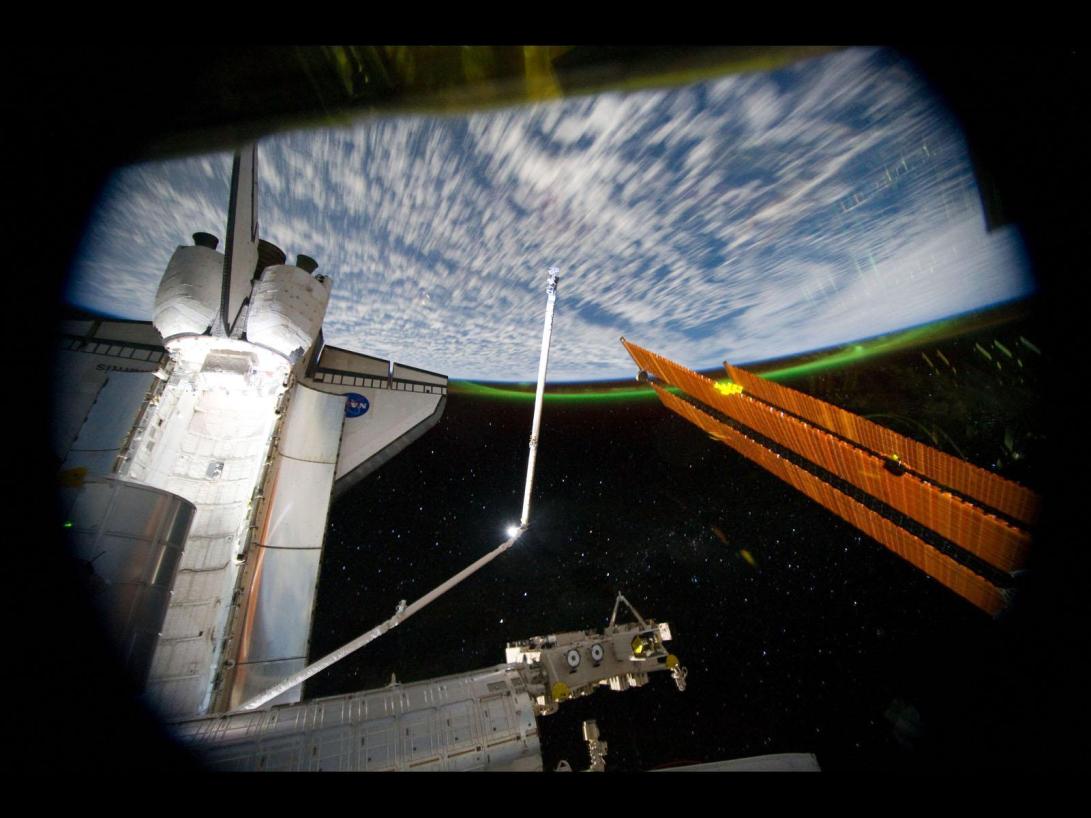
And those lovely auroras from a completely different perspective: “This panoramic shot of the aurora australis shows space shuttle Atlantis, the boom sensor system attached to the shuttle’s robotic arm, and a portion of the ISS solar panels. Credit: NASA/STS-135 crew.” This photo and caption are from http://www.nasa.gov/mission_pages/themis/news/auroras-australia-20110714.html
A few photos that aren’t of the sky:

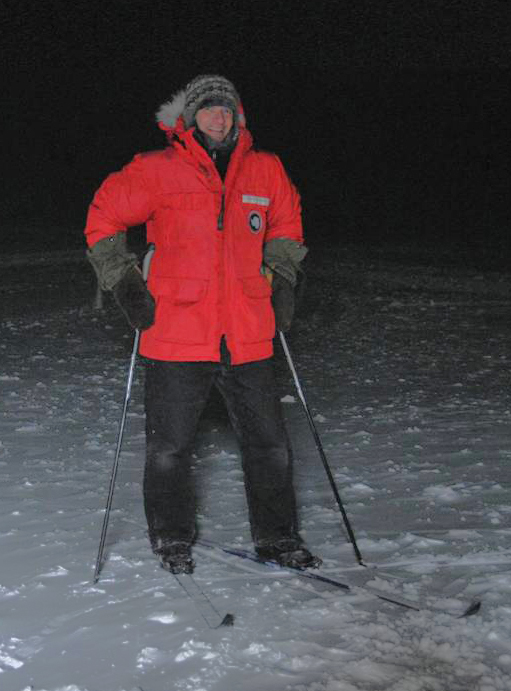
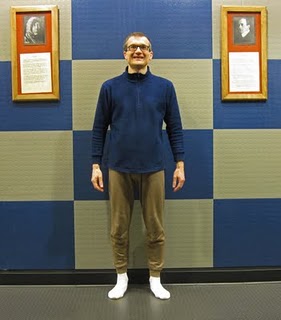
A post by Marco Tortonese on extreme cold weather skiing and what you have to wear to excercise when it’s -100 F ambient temperature. You can see the whole entry at http://marcopolie.blogspot.com/2011/07/extreme-cold-weather-skiing.html

And last, a wee sweet strawberry in the middle of a very vegetable-less winter, grown in our hydroponic greenhouse:

Photo by Jens Dreyer from http://hunnenhorst.wordpress.com/

Sometimes small, simple things are the most beautiful.

How to Get on a Train in Africa Without Tickets

The TAZARA train never leaves on time, except when it does.

On a Friday morning in April we set out for Tanzania. Our one-week visas were due to expire the coming Monday, and this was the last train leaving during that time period. Neither of us wanted to find out what happens if you overstay your visa in Zambia, so we stopped by the TAZARA office in Lusaka. An employee there told us she had reserved a compartment for us and that when we got to town and arrived at the office, we just needed to speak with “Alfred” and we’d be all set with our own compartment for the three-day train ride (mixed genders are not an option in compartments unless you reserve all four beds as a family). We had four hours to take a two hour bus ride to Kapiri Mposhi and depart at 2pm, which seemed like it should be enough.

It wasn’t, really. After an hour of waiting for the bus to fill, finally leaving with a little more than enough time to make it, and nearly three hours of Bus Stop Reverend preaching and conversion, loud music, white-knuckle passing and infuriating dirt loop detours, we arrived in Kapiri Mposhi at 1:52 pm. We had been shuffled to the very back of the bus with all of our stuff (a backpack and messenger bag each) and as soon as the bus started to slow down, Daniel took his first opportunity and shot to the front of the bus. It took me a minute and I got waylaid behind slow adults and even slower kids, and a few minutes later when I finally got to the door, I found myself in the middle of a fist-fighting mini mob. Daniel ran in and pulled me out by the arm, and as we got into our taxi he explained to me that he agreed to take the first driver that offered, and the next three or four guys had gotten into a fight over our prospective fare.

As our driver lurched over an apparently recently plowed road, red dirt lumping along under the tires and pedestrians casually scooting over to let us drive by, we counted down the minutes. Now, Kapiri Mposhi is not much of a town. The reason the train begins here is supposedly because, when laying the line southwest from Dar es Salaam, they ran out of tracks in Kapiri Mposhi, and so the train station was born. The place is maddeningly spread out for a town of such small origins, and it took what felt like forever to get to the station. We prayed that the train would leave late, which is apparently common.

We barely remembered to pay the cab driver when he stopped, dodged the pushy “bag porters” and ran through the gate, literally at 2pm, the hour of departure. Sprinting to the now-empty sales desk, we asked anyone who would listen where we could find Alfred, our magical ticket holder, but the people just yelled at us to go, get on the train. “But we need to pay,” we protested. “Just get on!” The train blew its whistle and shuddered to a start, and we ran down a few cars before finding one with open doors, hopping on as best we could without knocking each other down.

We were on the last train to leave before our visas expired, but we didn’t have tickets. And Alfred, the only person who could vouch for us, was nowhere to be found. None of the staff had us on our list, and the train was full.  The staff on the train, however, were wonderful. They rearranged a few other families, put us in with a random white South African tourist (mixed gender compartment!), took our money and wrote us tickets.

Never have I been so happy to squish skittering blonde cockroaches while eating chewy organ meat with the valves still on, or sleep on pillows that felt like a bag of popcorn and smelled like a wet towel. The train started and stopped so suddenly and forcefully that we kept getting knocked over if standing. Each time, we assumed the train was starting to derail itself.  But we had made it.

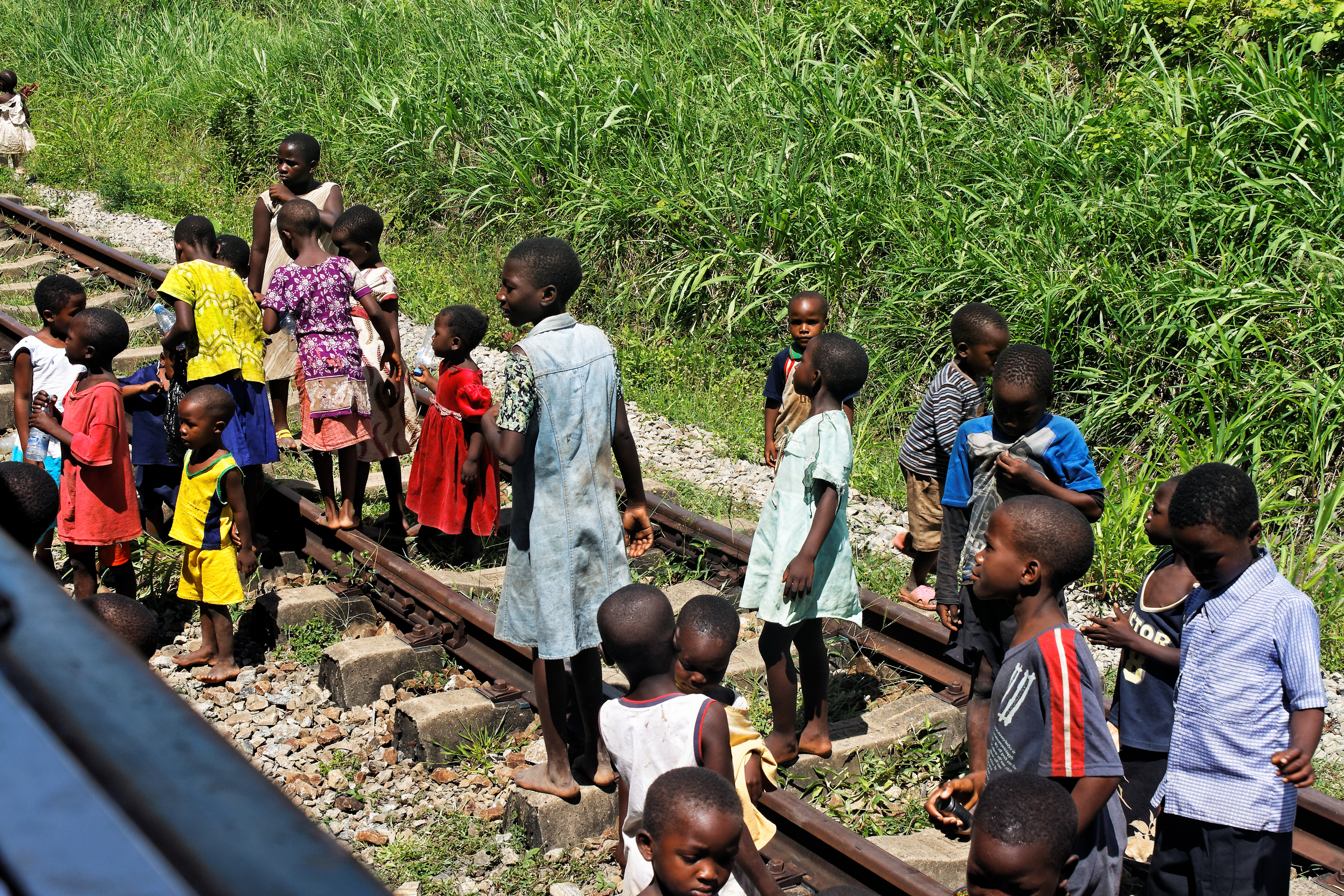
Outside the train, men, women and children sold corn on the cob, hard boiled eggs, finger-sized bananas, rice from open sacks balanced on the head, mealy meal, cassava and potatoes, leather jackets, SIM cards, limes and groundnuts. Women in printed cloth kangas and kids in clothes so oversized and tattered their shoulders lay bare to the sun asked us for empty water bottles (maji ya chupa!) or money. Passengers exited carrying luggage on their heads, rollerboard suitcases or mystery packages in giant woven plastic totes. Zambia rolled past: flat, felled areas, fields eaten clean by herds. Cool air and few mosquitoes blew through the windows.

Maji ya chupa!

Crossing the border, officials charged us 100 USD each, twice what we expected; we put up a fight and protested corruption until the border officials lectured us on reciprocal visa fees and threatened to throw us off the train if we didn’t pay up. We later found out that the visa fee is actually $100 for a US citizen now, and although the border officials had started off seeming rude and unprofessional, that we were the ones overstepping our bounds.

The scenery in Tanzania was so much more lush–in no man’s land we went through a tunnel and came out in another world. Huge, tropical, prehistoric-looking palm plants, tall trees and a wall of hot and humid air that smelled like an herb I couldn’t identify marked our entry into the Great Rift Valley. Instead of drought-ridden Minnesota-prairie-like flatlands, there were hills and trees and moist flora clutching to sheer inclinations of land.

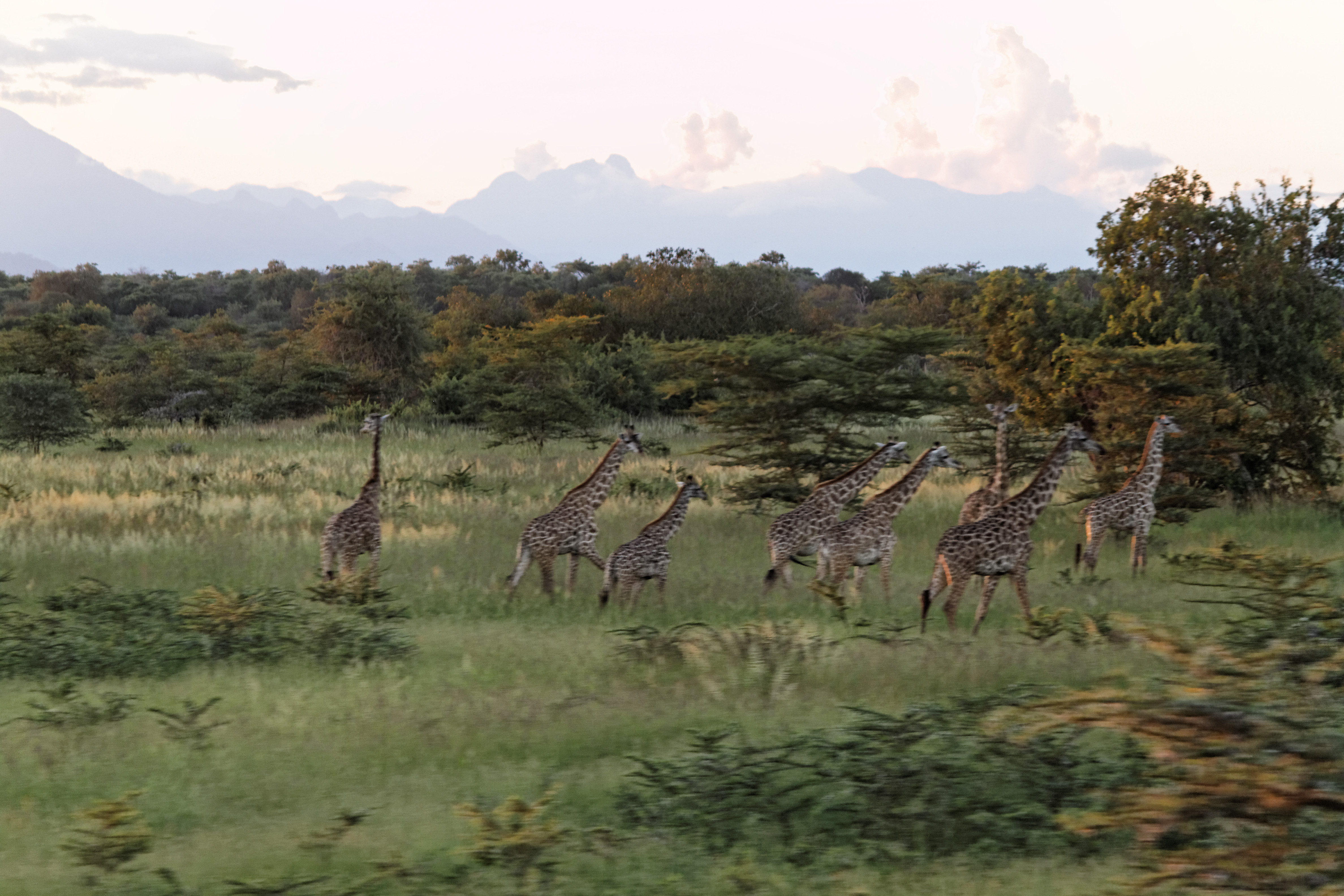
Near the last ten hours of the trip, we got a new bunkmate, a Tanzanian lady who spoke very little English. As the train ran through the Selous Game Reserve, we saw zebras, giraffes, wildebeests, antelope and one extremely terrified elephant, running away from the train as fast as it could manage. This was the closest we came to a safari the whole time we were in Africa–the budget traveler safari. Our new bunkmate, along with all the other passengers, hung out the train as far as she dared to take pictures with her cellphone, telling us the words for the animals in Swahili and pointing out the ones we missed. At one point I asked her, with Swahili read from a little phrasebook, where she was from, and she said something I didn’t recognize. I asked, “Tanzania?” and she indicated that it was outside of Dar, where we were headed. She slapped my palm and held on, laughed and said, “Dar es Salaam IN DA HOUSE!”

(For more information on the TAZARA train, or any train travel worldwide, check out www.seat61.com. We have used this site so many times when preparing for train trips in Thailand, China, India and Zambia/Tanzania. I highly recommend its content, especially when researching  for a leg of your trip right before you go: they have a lot of practical information on things like how you get visas on an international train or money exchange, safety tips, food and photos of what different classes of seating look like.)

Bovu Island and Lusaka, Zambia

A few bits and pieces, playing blog catch-up; summer is absolutely flying by. We’re starting the PQ process again (physical qualification–medical and dental checks), getting ready to return to South Pole. We are planning on leaving for Denver/New Zealand around October 15th, but won’t get our tickets until we PQ and complete all the HR and travel paperwork.

*

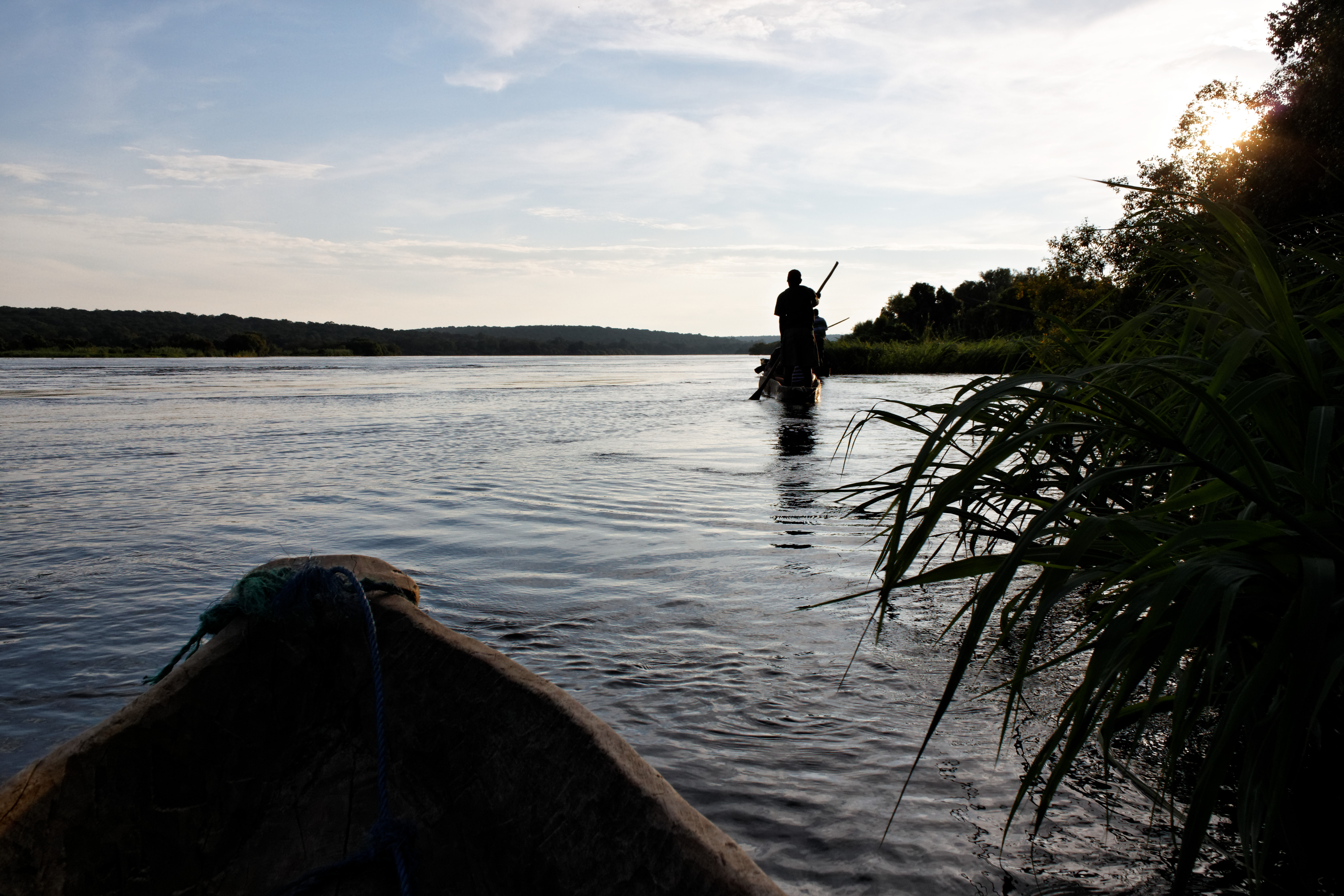
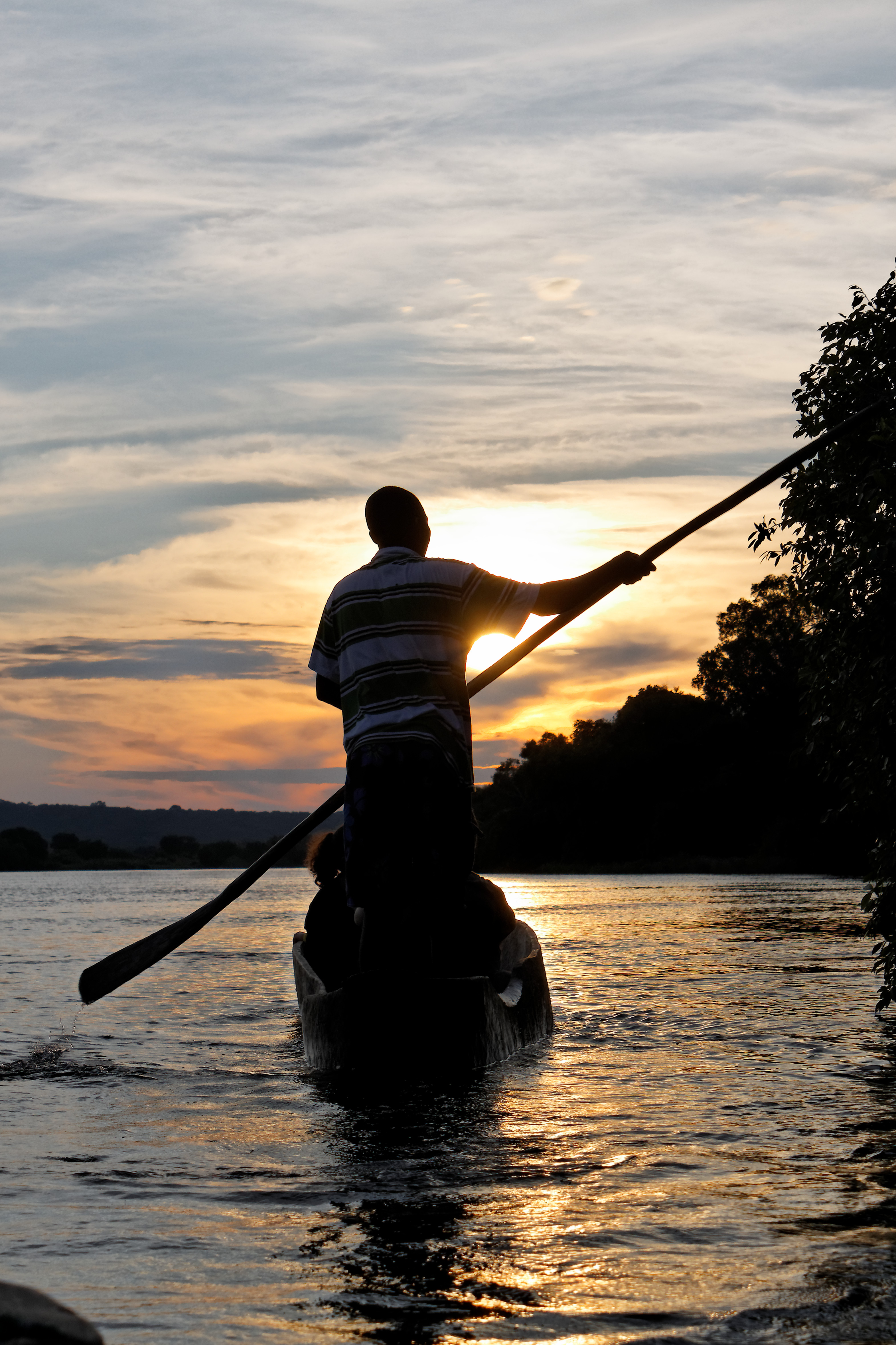
In early April, Daniel and I arranged a few nights on Bovu Island in the Zambezi river. They picked us up in a shoddy pickup truck, and after an hour of driving rutted, mudslid roads, hot dry sun baking the truck, switches of trees whipping at our arms and faces, we arrived at the riverbank. Stepping gingerly into beautiful little handmade dugout canoes, we tried not to think of the crocodiles and hippos we’d seen on the river the night before as the three captains punted and paddled the boats through river flats, eddies and gentle whirlpools, exposing stunning nooks and wide river vistas around the bends of tall grass. The other folks staying on the island welcomed us with a beer on arrival, and we buried our feet in the silky cool sand floor. We slept in a little three-walled hut, perched on stilts and open to the river, listening as the jungle sighed, shrieked, became quiet and later reawakened; monkeys and millipedes and some mysterious catlike shrew animal sleeping nearby.

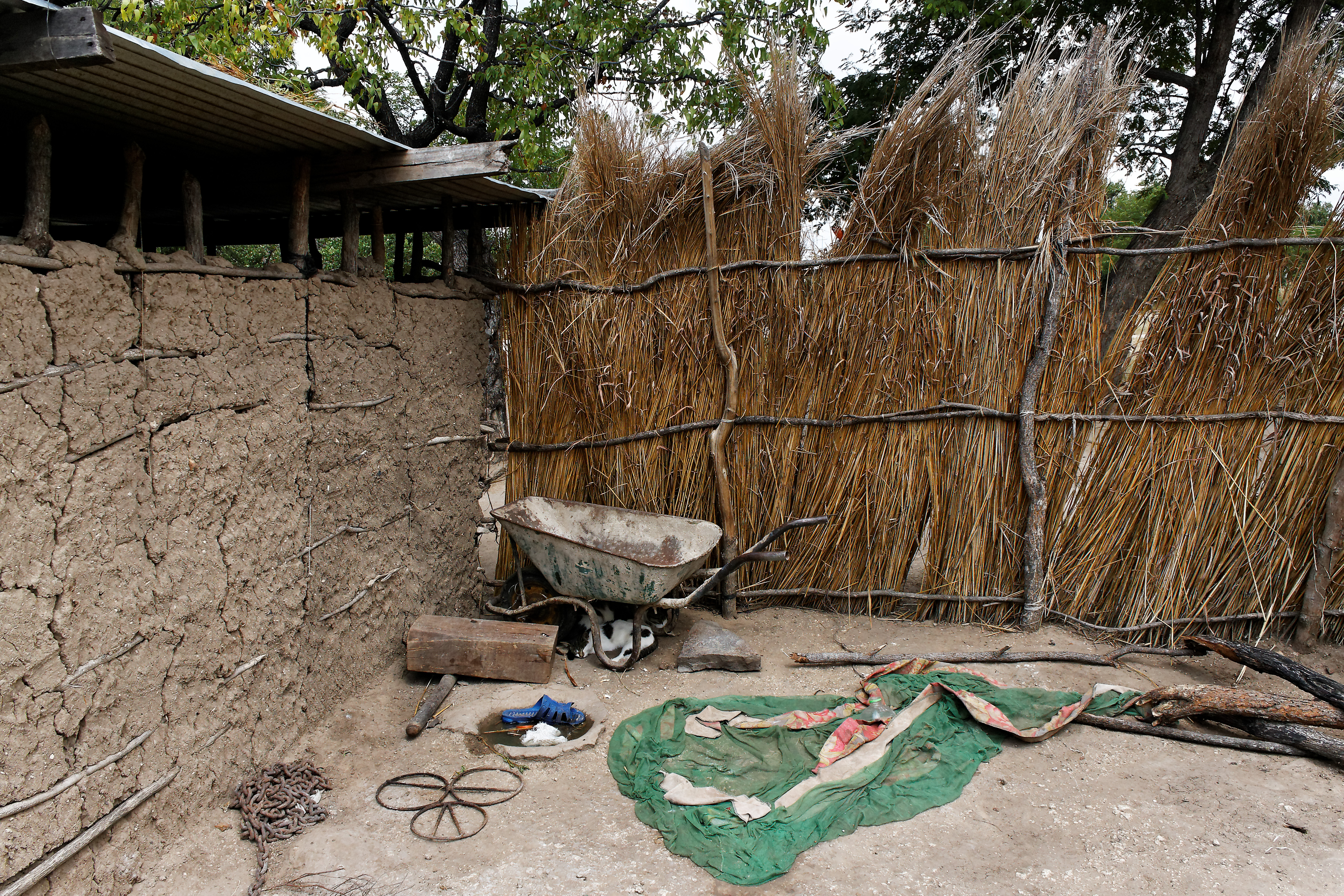
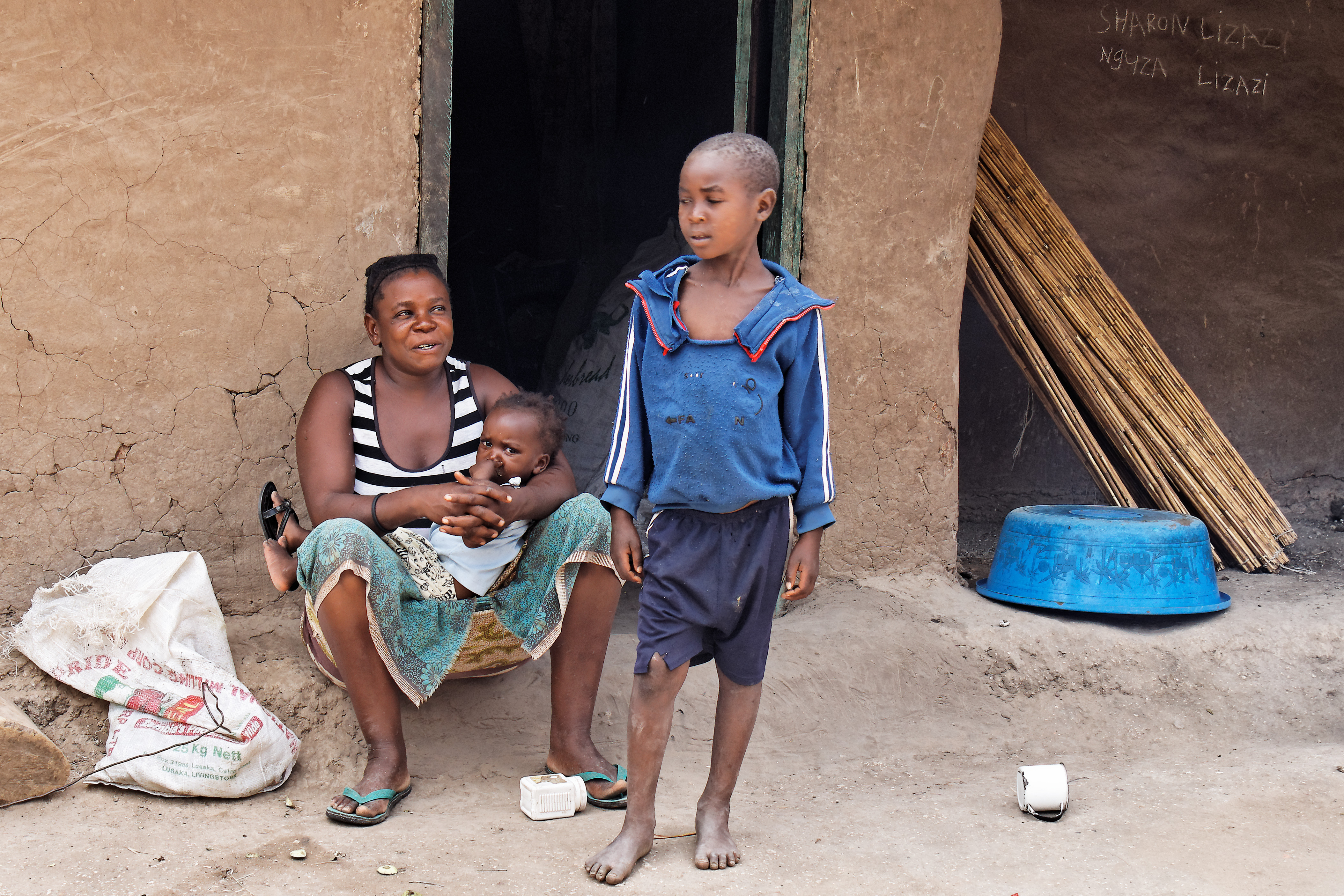
We visited a nearby mainland village, learning about architecture of stick, mud and thatch wood homes, about school/church construction of more modern and costly supplies. We sat with a local mom while she skillfully wrestled a pot of nshima, the sticky cornmeal mush we ate all throughout our trip.

Village family
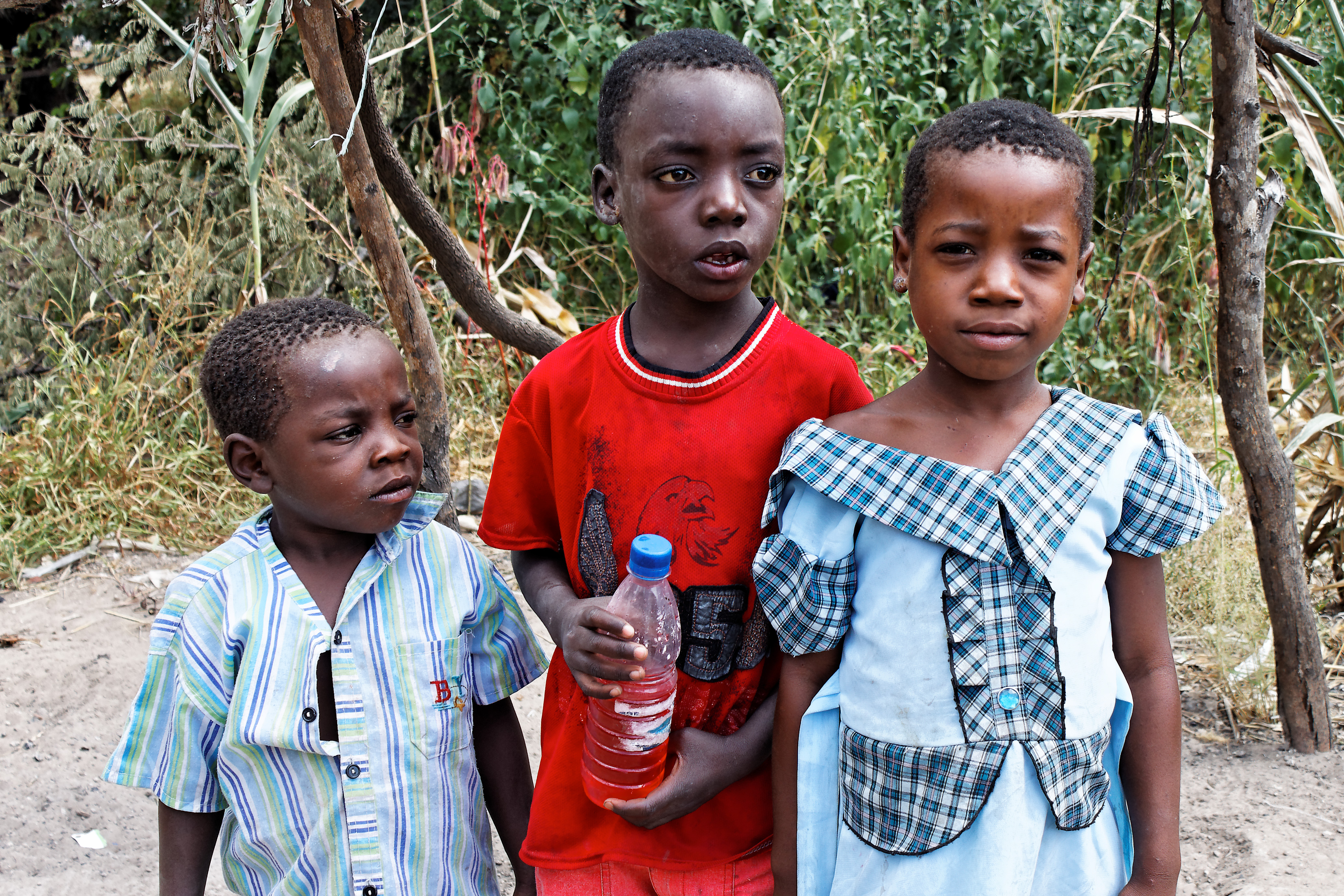
Kids, coming to investigate the funny-looking white foreigners.
A kid from the village takes a first photo of Daniel
Much better! He's a natural.

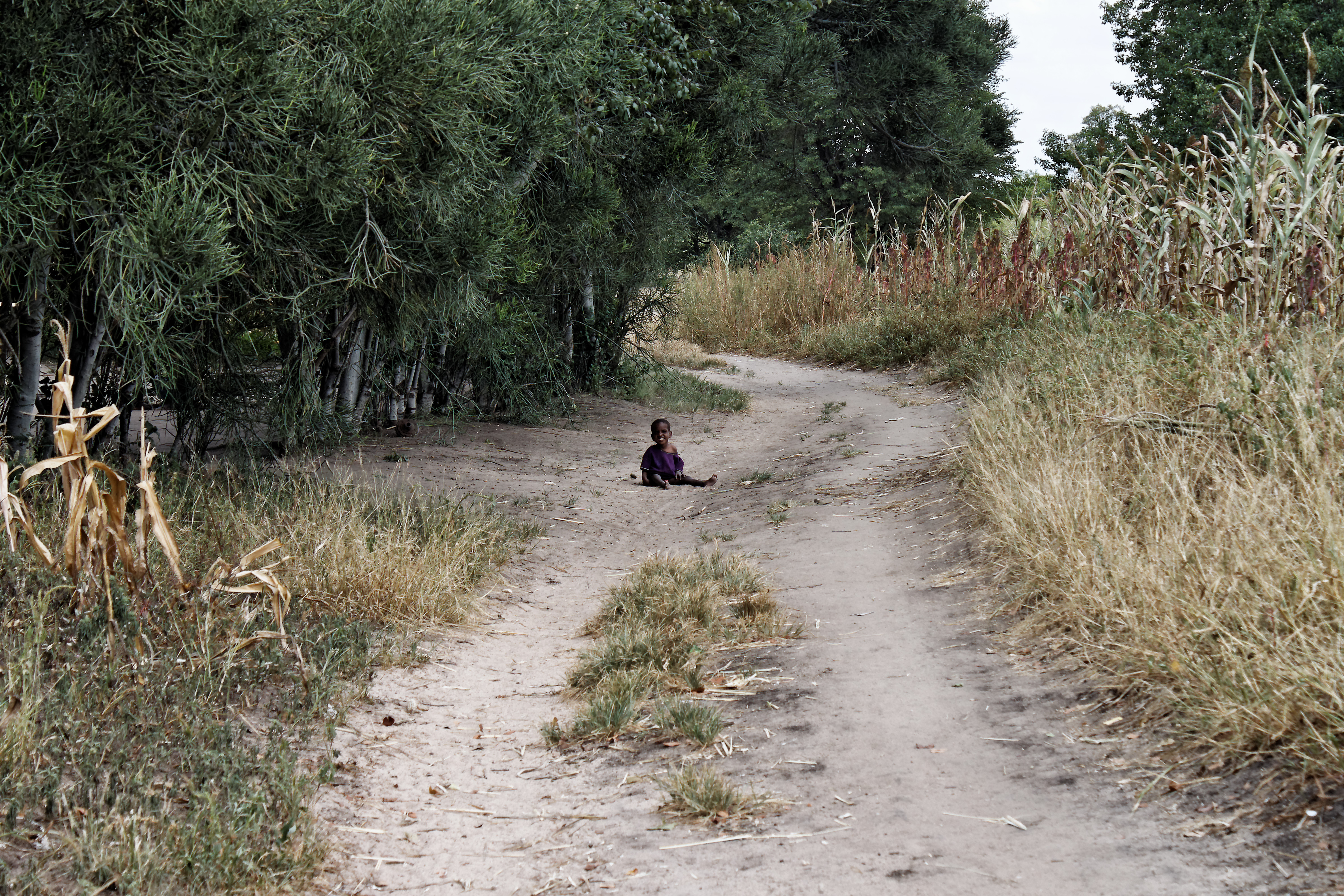
A little girl with a disability that would permanently prevent her from walking, playing happily in the dirt.
The still-being-built school and church building

A few days later we boarded a bus to Lusaka, still operating within the strict 7-day visa the border official had stamped in our passports. We didn’t really want to go to the capitol city, but after much debate we decided it was the most sensible option to position ourselves there so we could board a bus to Kapiri Mposhi, where we planned to catch one of the twice-weekly trains across the border into Tanzania. On the bus to Lusaka, I met a 12th grade girl named Felicit, coming home on vacation from boarding school. She was quite talkative and had all kinds of questions for me, normal chatty questions like what do you like to read?, do you like dancing?, what’s your favorite color?, to more in-depth questions about religion, faith, and tribal affiliations within the US, to the structure of our schooling system and specifically my relationship to Daniel.

We had decided to tell people we were married since a male and female sleeping in the same bed together out of wedlock is pretty taboo in eastern Africa, from what we had read, but Felicit first asked if we were engaged, to which I said yes because it seemed easier (we’re not, for the record), but then she had all kinds of questions about when we were getting married, how long we had been together, whether we lived together or not at home, what our parents thought about it, and my story sort of fell apart and I had to explain that, well, we don’t really have a date, and maybe we’re not exactly engaged. I thought it would be really awkward but I guess I underestimated the power of young people to flex from tradition, or maybe I hadn’t done my research properly and the whole thing wasn’t that big of a deal. She transitioned seamlessly into explaining to me all sorts of bits and pieces of local economy within Zambia, import/export and agriculture, and then she told me I was more talkative and friendly than most white people she had met, which I took to be a nice compliment.

After the bus ride, we faced the inevitable swarm of taxi drivers and people pretending to be taxi drivers. Too tired to haggle or discern properly, we got into the wrong one, a car whose driver stopped to pick up another friend and later tried to swap my 20,000 kwacha note (about 5 USD) saying I’d only handed him a kw1,000 note. We spent the night at a crummy hostel in Lusaka, pinning the mosquito net together with hair pins and rubber bands, hunting the bugs that got in before going to sleep, probably more worried about malaria than strictly necessary for a large city. We couldn’t sleep much, preparing for the long haul train ride into Tanzania the next day.

Zim-Zam!

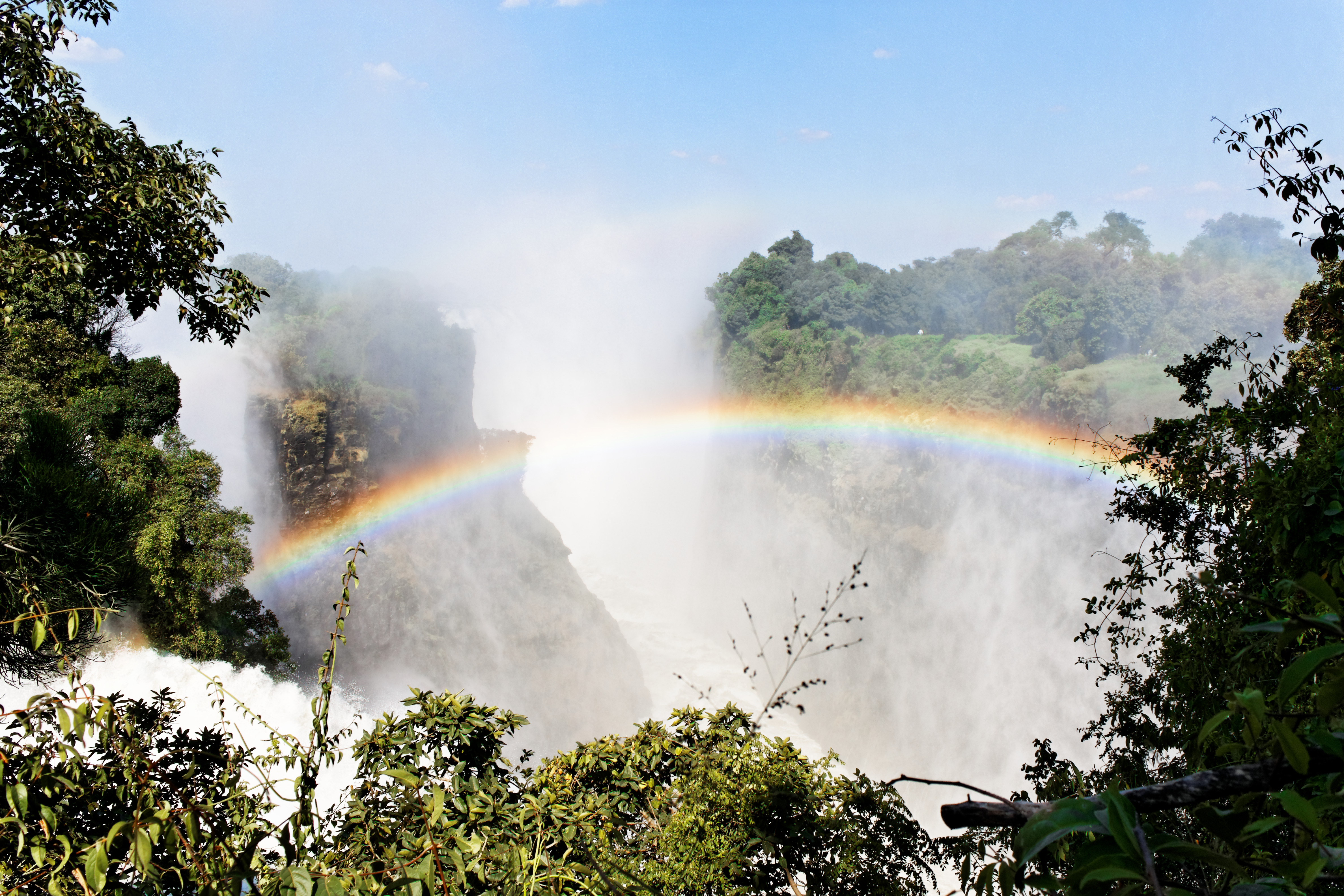
The bridge that you can see from Victoria Falls, with trucks trundling over it and bungee jumpers sailing off of it, is the one you cross to get to the Zimbabwe-Zambia border. We walked there from Victoria Falls Town, and after getting our exit stamps in our passports, we took a $2 taxi through no-man’s land, a half mile or so stretch of road that is consistently being rained down on by the mist of the falls behind you. At first, we weren’t sure if we even needed a taxi–we were pretty skeptical that the border was very far away and couldn’t see round the bend in the road. What if it was only a hundred feet away? But after driving past multitudes of forlorn looking, soggy but determined backpackers, we felt pretty good that our two dollars were wisely spent.

When we reached Zambian immigration, and stated that we thought we’d be there about a week, they stamped in our passports a visa that lasted exactly seven days. Now, since the visas were $50 each regardless of whether we were staying a week or two or more, we could have easily told them were were planning to stay a month, but the passports were stamped and we were ushered on our way, a little bewildered, deadline looming.

We arranged a taxi with the first person we met (this is never, ever a good plan) and he took our twenty dollars and exchanged it with a shady man who was holding the fattest stack of cash I have ever seen. We later found out that it is quite illegal to exchange money anywhere but at a real forex bureau. Oops. Our middle man, who was not a taxi driver as he had originally implied to us, took a hefty cut of the profit and delivered us to a taxi driver, arranged for us to be dropped off at the hostel of our choice and sent us on our merry way.

We took a sunset cruise the very first night we got there, and got to see hippos, crocodiles, and all kinds of wild birds as the captain skimmed our boat up the Zambezi river. The sky was clear and we could see the mist from the falls downstream, and stared at the sun until it went under the horizon, blinking bright circles long after the sun itself was gone. I talked to our guide, Paul, who was maybe more drunk than we were (I learned that “sunset cruise” is synonymous with “open bar booze cruise”), about animals that lived on the river, and I did my best to explain and act out Minnesota wildlife such as bears, moose and wolves.

Bee Eaters
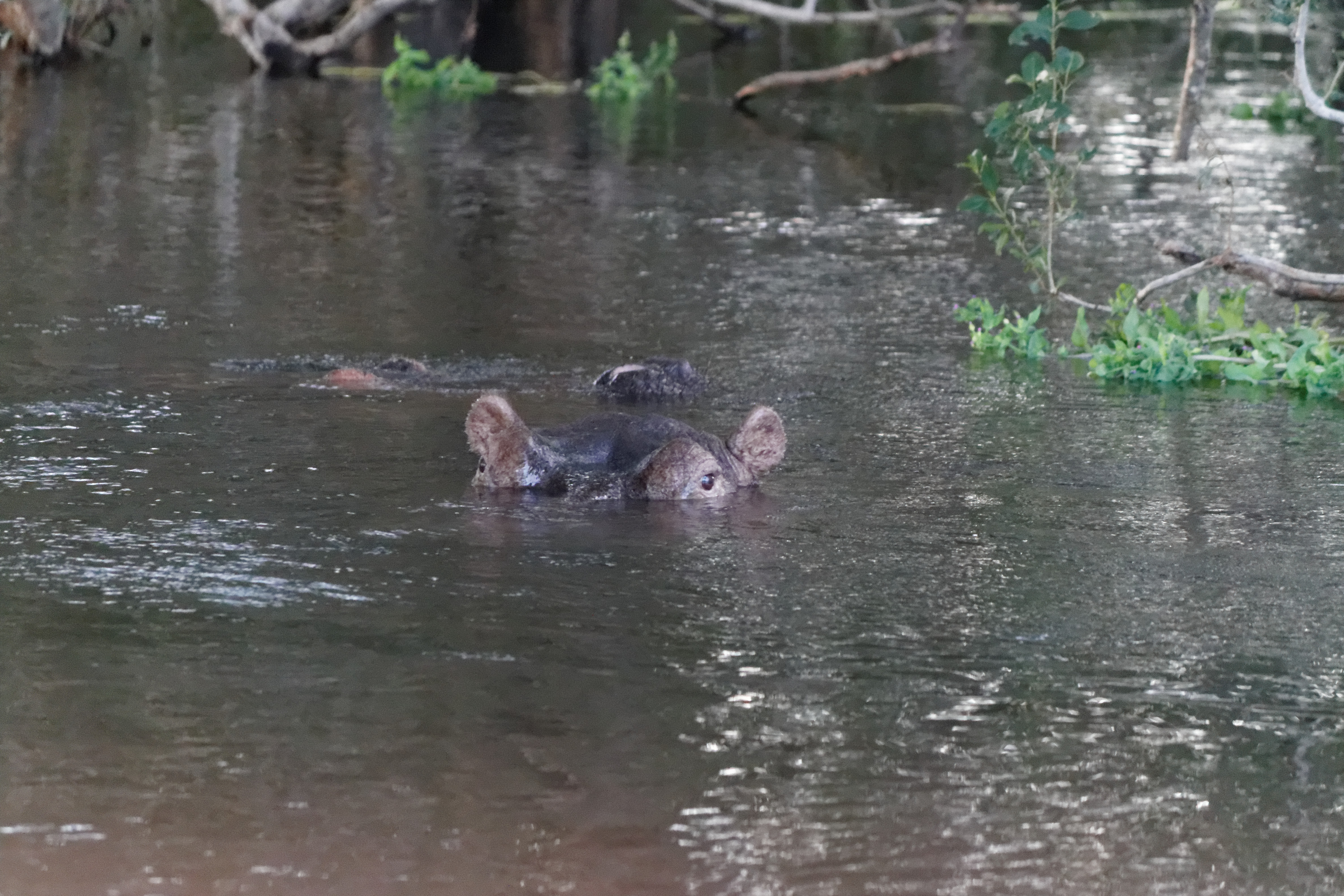
We saw the the tops of a lot of hippo heads.

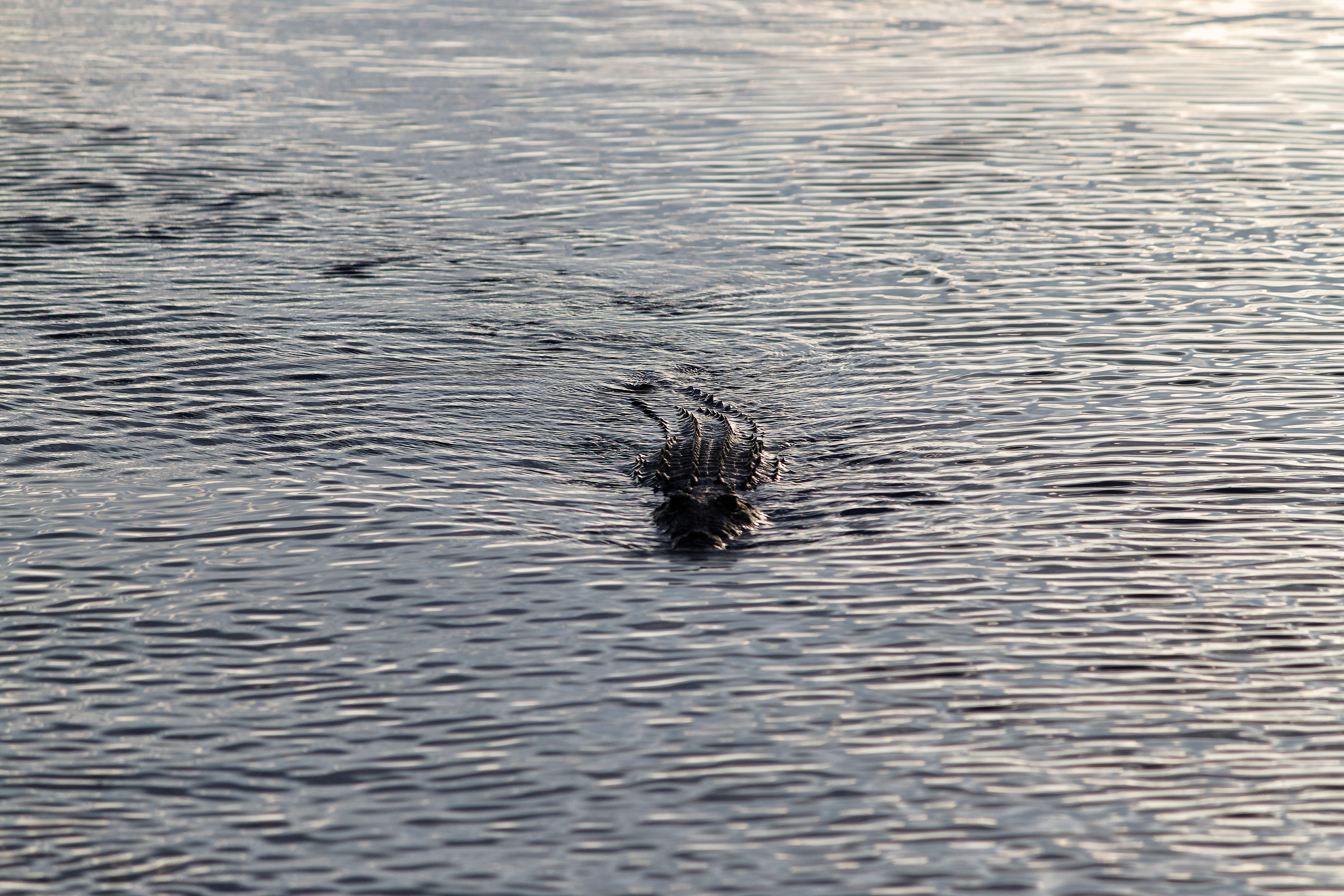
Paul told me about his Kenyan friend who had brought a little crocodile over the border, and that they had raised it to be friendly, and that they had named it Duncan. (This explained why he called out to one of the crocodiles we saw, “Duncan! Duncan!,” clapping loudly and whistling to summon Duncan. Although he did come when called, we later found out that the croc was too little to be Duncan but Paul explained that he could have been Son of Duncan.) Duncan lived under their pontoon until they released him into the wild, like good parents have to do.

Duncan! ... here, Duncan!

The same evening, we sat and had a sandwich with a Zambian named Cephas staying at our hostel who started a conversation with us about how much he loved Obama. He was 23 years old and a criminal defense lawyer. We listened as he explained that the secret to being a criminal defense lawyer was to create doubt in the mind of the judge. One of his more recent cases, he told us, was of a woman who had been accused of killing her husband by slipping poison into his dinner as she cooked one evening. But how do you know, he asked us, that the poison wasn’t slow-acting and put into his lunch while he was out at work? Good point, we said. He also explained that he would wait until he was at least thirty to get married, because too many people change their minds or say “I love you” when they don’t, which we agreed with. He wanted a wife who was smart and who could be his confidante (and who would not, presumably, poison his dinner). He ended his train of thought by explaining that if you only have one bottle of Coke, and you have to give it to someone, that you give it to your wife and not your mother. I laughed, and then took some of Daniel’s beverage.

I am writing this from home. We arrived back in MSP on April 24th after a flight that went from Dar es Salaam, Tanzania to Addis Ababa, Ethiopia, to Rome, to Washington DC to Minneapolis. It was epic, but we made it.

We are in the process of moving into a cute little duplex with Daniel’s sister and her partner for six months, and are planning on going back to South Pole this fall; we were both able to secure contracts before leaving the ice, and I’ll even be getting a promotion to a better position. But I’ll keep writing posts to catch you up on Africa!

Mister Thirty Five and the Box Cutter Kid

The Shosholoza Meyl train in South Africa does not check passengers’ passports. We learned this when we went to buy tickets from Cape Town to Johannesburg.

Excited and nervous for our first overland trip leg, we went to the train station. It was clean and cool, with fruit vendors outside and little stands where you could buy shoes, belts and power converters. Inside the station, there was a kiosk offering free, while-you-wait HIV tests with a long line; scary because it reminded us early on of Africa’s high rates of HIV/AIDS, for which we would come to see many hand painted public service announcements in the following weeks, but heartening that people are getting tested and self educated on risk and prevention. A nurse hollered out as we walked by, “Number thirty five, your results are ready!” I crossed my fingers in my pocket, hoping for negative results for Mr. or Ms. Thirty Five.

As we gave the clerk our information, she typed in Daniel’s last name for both passengers. Thinking it might be like an airline where if your name doesn’t match your ticket, you miss your plane, I asked if it would matter that we have different last names. She shook her head and after we had paid, she explained that no one would be checking our identification or, raising her eyebrow and laughing a bit, our marriage certificate.

In Cape Town there is evidently a high demand for couture models. Every few blocks we would see fashion shoots happening—on pedestrian bridges, parking spots on the street (with four tires aligned as though they were once attached to a vehicle, the models in casual business attire were to feign surprise at the missing car), on the steps of official looking buildings. The subjects, dolled up and unaware of passerby, stood still while the passerby walked into the middle of the shoot, equally unaware.

Car guards stand on each block in navy blue jumpsuits and blaze orange vests, shooing away idle thieves looking over their noses into backseats. People begging for money haunt the tourist area, one discreetly flashing us his box cutter while asking for/demanding a hundred rand (about fifteen dollars), careful to keep his shoulder to the public safety officer standing nearby, falling back when we ignored him.

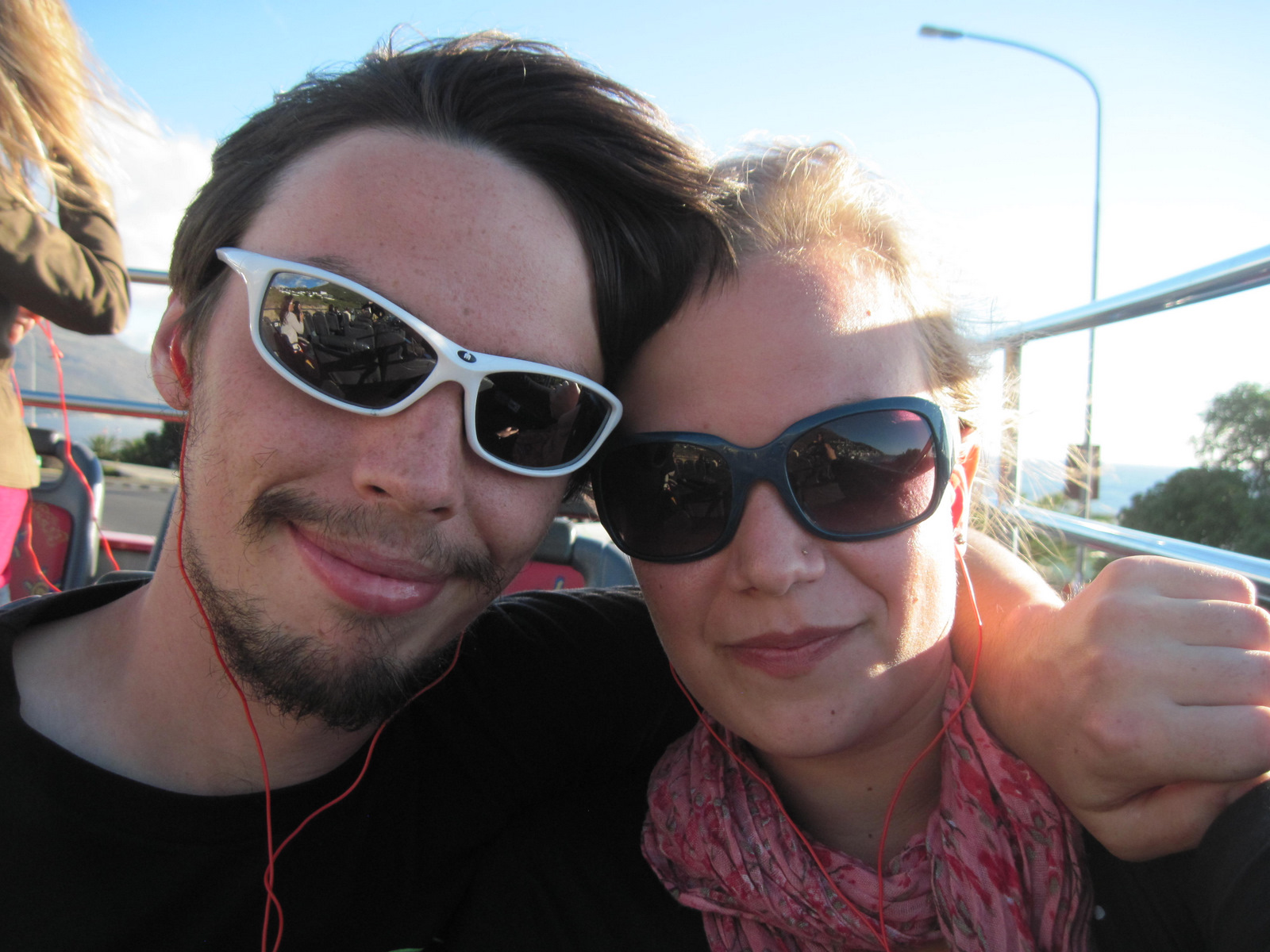
We did some touring of the surrounding area before leaving Cape Town, going to Kirstenbosch, the botanical gardens, looking at plants that haven’t evolved for millions of years, strange turkeys with blue wrinkly heads and paisley-like feathers, and giant, paper-flat spiders in the public restroom. Some kids on a school field trip, totally uninterested in the plants, played rugby with a water bottle for a ball in a nearby field. We took a tour bus along the waterfront to Hout Bay Marina and Camps Bay. On the water, so blindingly glittery in the setting sun, were huge oil rigs far out on the horizon, looking a bit like the Eiffel Tower balanced on the surface. On a whim, we bought a black and white painting of some elephants from a painter who introduced himself as Steve from Malawi; on further inspection in the hostel, we discovered that he had covered the original signature with a permanent marker and re-signed it, simply, STEVE. I later lost that painting in the Johannesburg airport, running to catch a plane.

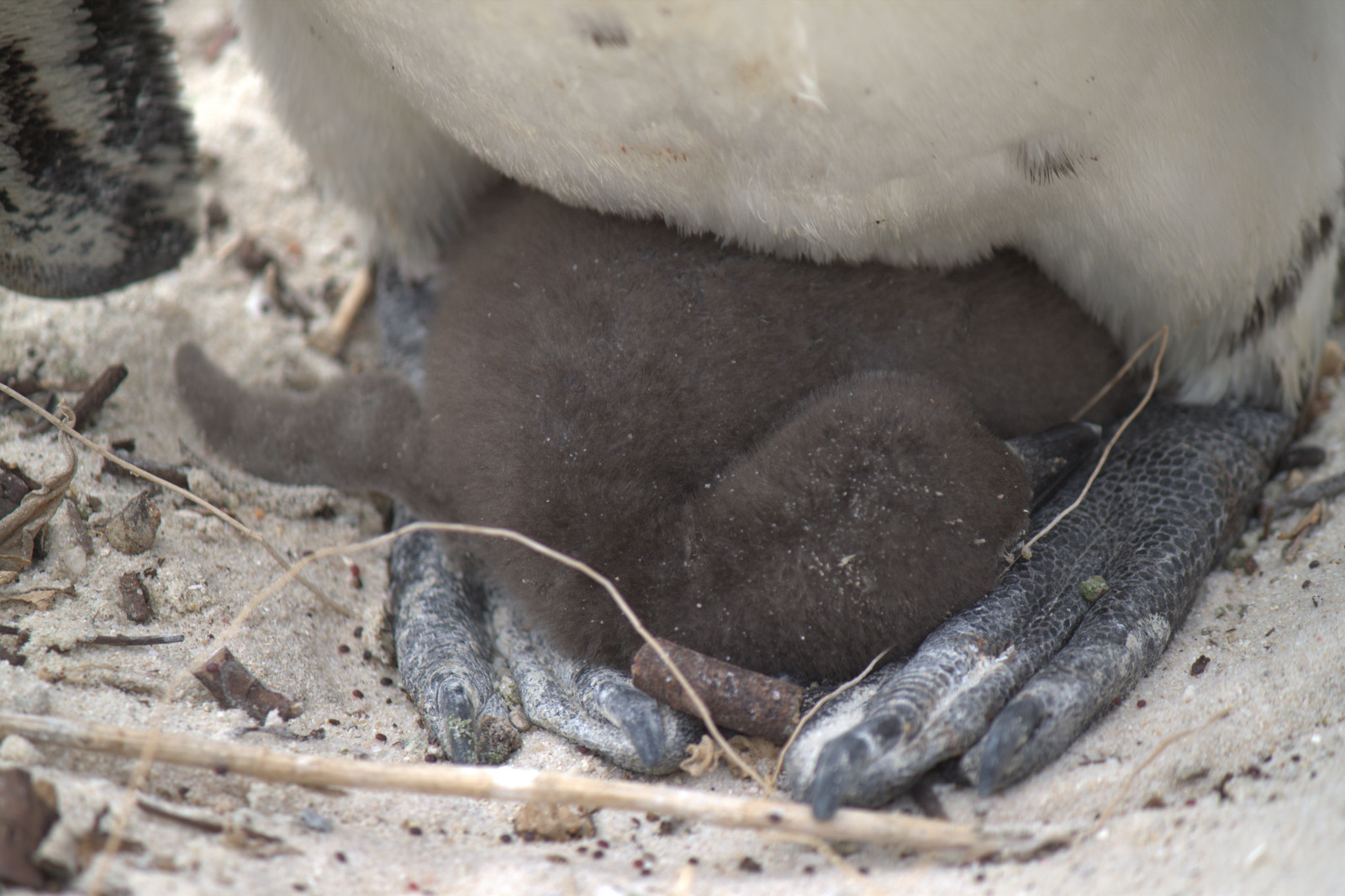
We went to the Cape Peninsula, which was definitely worth the embarrassment of being seen on one of those awful buses full of tourists. We got to see seals, birds of all sorts, dassies (the nearest living relative of an elephant, but it looks like a groundhog), lizards and penguins, making up for the dearth of penguins at the South Pole.

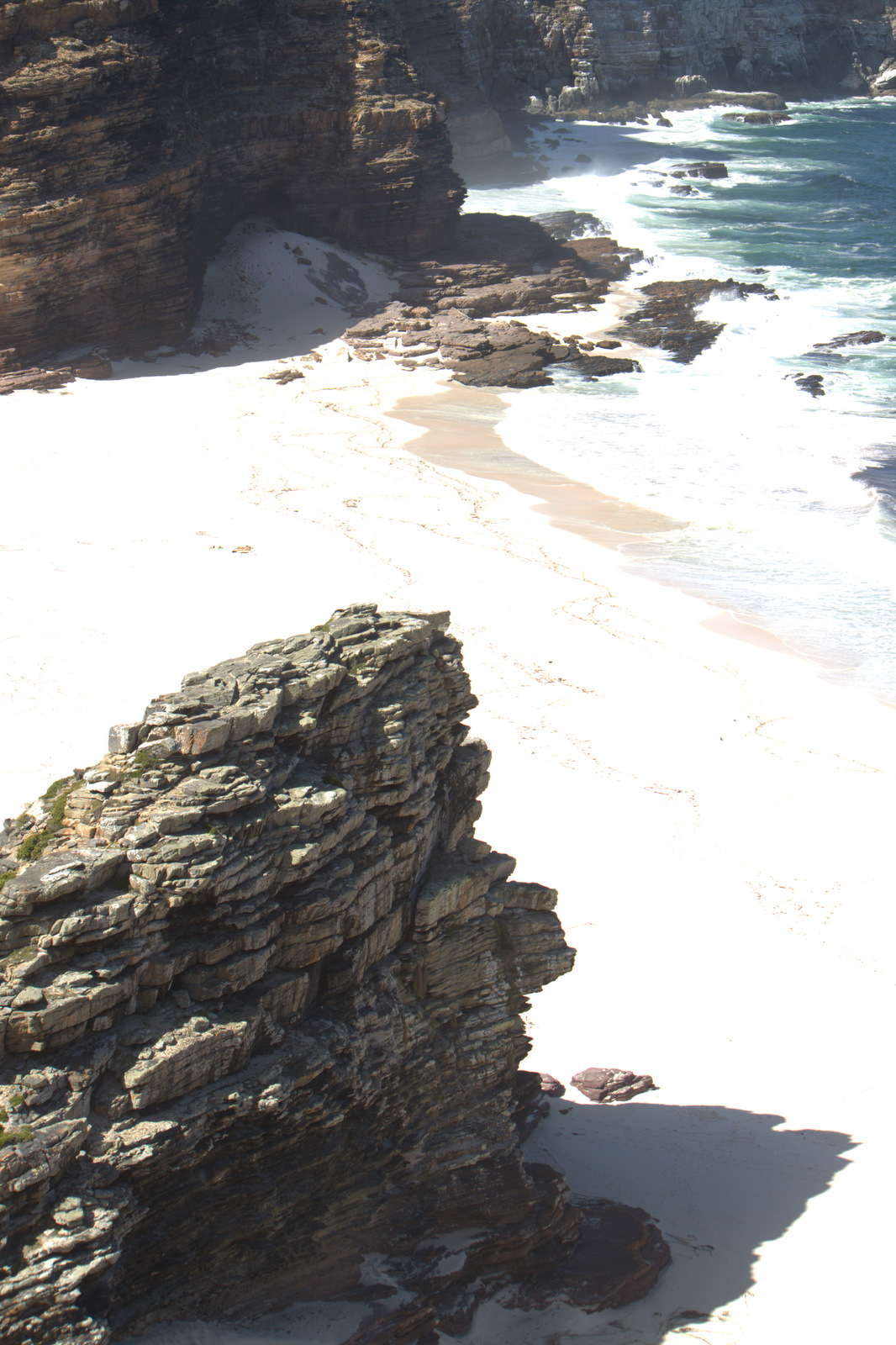
We hiked over the ancient looking, cellular, striated rocks of the Cape Point, past stretches of earth that looked like lines of cayenne and curry powder, looking down on great white sand beaches, shockingly beautiful—clean, green sea, white breakers, menacing rocks just under the surface. The Cape has claimed hundreds and hundreds of vessels seeking shelter from storms.

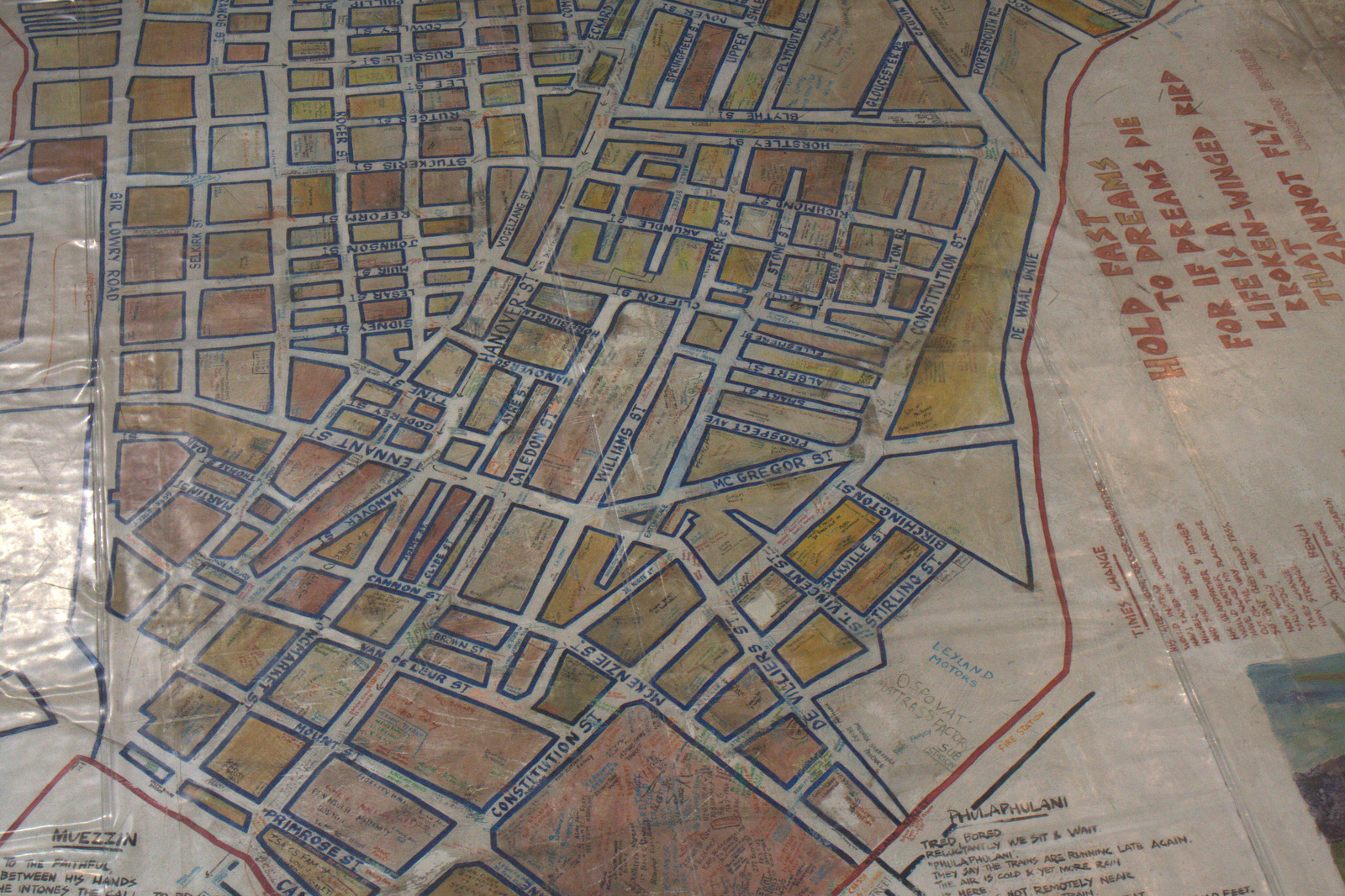
When we reached the highest point, the peak of the tip of the peninsula where the old, out-of commission lighthouse stands, you could turn around and survey the land behind you. It is a place where, Daniel pointed out, you can see the resemblance of the terrain you’re on to the paper map in your hand, living geography.

When we finally boarded the train a few days later, we were ready to go; we’ve been discussing lately the importance of, while traveling, leaving a place while you still like it. The train itself was nice; we got a compartment to ourselves despite only purchasing tickets for two beds (I’m under the impression that this is normal practice, not special treatment). There was a little sink basin under a folding table between the bunks that even had a trickle of running water for hand washing, although it ran out of water a few times. We could order food and coffee from room service on scheduled rounds, or from a restaurant car that seemed practically new except for one completely shattered window – this made sense after the train was shot with a paintball gun by some jerk kid outside, giving us quite a start and leaving a slimy green blob on our window, slowly expanding in the wind.

The train ride presented us with stark comparisons of South Africa’s rich and poor, slammed up against each other in bursts of towns separated by vast stretches of land uninhabited by anyone but gangly ostriches. Squat cinder block structures, the homes of rural people, had corrugated metal roofs weighed down with large rocks or sometimes bricks. Poor black adults slept on sheets of worn cardboard, fifty yards away from whites exiting high-walled compound homes in their SUVs, followed by piles of plastic trash, followed by black and white residents playing golf together in knitted vests on pristine driving ranges, rounded mountains sagging in the distance. Numerous wine estates flashed by, their rows of vines neatly stitched into the earth.

Entirely rusted out skeletons of cars that seemed to be from decades ago stood in fields, and every now and then we would pass a disturbing relic of previous train systems: an entire line of train cars, derailed beside the track, coated in rust with plants growing over everything, trying their best to reclaim the material. We passed by many towns that seemed to be nothing more than a sign stating its own name, ensuring its continued existence. Some thirty hours later, outside of Johannesburg on Sunday morning, the train interrupted a group of six people conducting a church service in pristine blue and white robes, standing by the tracks amongst an unreal number of busted up TV set skeletons. And then, only five hours late due to a midnight engine swap (a conductor had explained to us that we had the “wrong” locomotive, which we assumed meant it was broken), we arrived in Johannesburg.


Cape Town: Glitter, Beggars, Mountains, Jazz!

We arrived in Cape Town on Friday morning after a brutal 32 solid hours of airports, airplanes and airline food. We were successfully able to check in at the Auckland airport without being asked for proof of onward travel (you may remember that I nearly missed a flight to Auckland because of this in 2009) and went through South Africa customs without a problem.

We were lucky to have accidentally chosen the weekend of Cape Town Fest for the date of our arrival, and were rewarded with a huge parade on Saturday night. People started queuing at the barriers on the sidewalk long before the sun set, donning sparkly feathered Mardi Gras-esque chintzy masks and drinking sour Castle beer from flimsy plastic cups, beggars with no teeth and mismatched shoes jingling handfuls of small Rand coins through the throngs of people.

Then, we watched as the streets lit up after dark, starting with huge foam puppet unicorns, giraffes, springbok, flying  owls, a kangaroo, gangly ostriches running circles around each other, a dancing tyrannosaurus rex. Church youth groups danced to intense drum beats, their elbows punctuating the rhythm around them, some in tribal costumes with glitter face paint, some in neon glowing pinstripe suits and bowlers with trumpets, kids with vuvuzelas tooting along to the beat from precarious window sill roosts high above the crowds. The hotpantsed moffies–gay men or perhaps simply in drag– doing casual backflips down the sidewalk or on parade floats (singing predictably to the Village People but attracting awe and attention nonetheless). Spectators lined the streets, oversized glitter bits clinging to their sweaty hairlines and cleavage, young men in skinny pants and vests, girls in short shorts or shiny leggings and gladiator sandals, fat older gay couples with button-up shirts and suspenders meandering along the movement of the street. Kids clung to lampposts with a certain borderline tantrum, too-tired-to-function-anymore look to them, right around when I started to feel the same way and we went back to the room to bed, too jetlagged to even be hungry.

The past few days we have been going to see jazz concerts in the garden park, eating tuna sandwiches and watching several different wedding parties stop for photos, radiant brides surrounded by bridesmaids in shiny gold or hot pink polyester matching dresses shooing away the pigeons before posing and smiling, Table Mountain in the sun behind them. Having coffee in little market restaurants, sitting in bright plastic chairs at bright plastic tables with bright plastic tablecloths covered in pictures of Barack Obama, yellow and purple cardinals holding a banner that says “Hooray for the President!”

The next step is deciding when to leave–we will take the train to Johannesburg or Pretoria, but without an agenda and being in a place we like, it’s hard to make that decision…

Fuel Good, Feel Good

The end of the season at South Pole went by so fast, it felt like it barely happened. From New Years Eve onward, everyone started talking about their upcoming off-ice plans and job applications for next year—that is, if they planned to come back. It was pretty difficult to focus on work and still plan for travel, and coupled with the cumulative exhaustion from altitude, lack of fresh food, dryness of the air, dropping temperatures with the onset of winter, and simply having a physically demanding job, I started to slow down a lot.

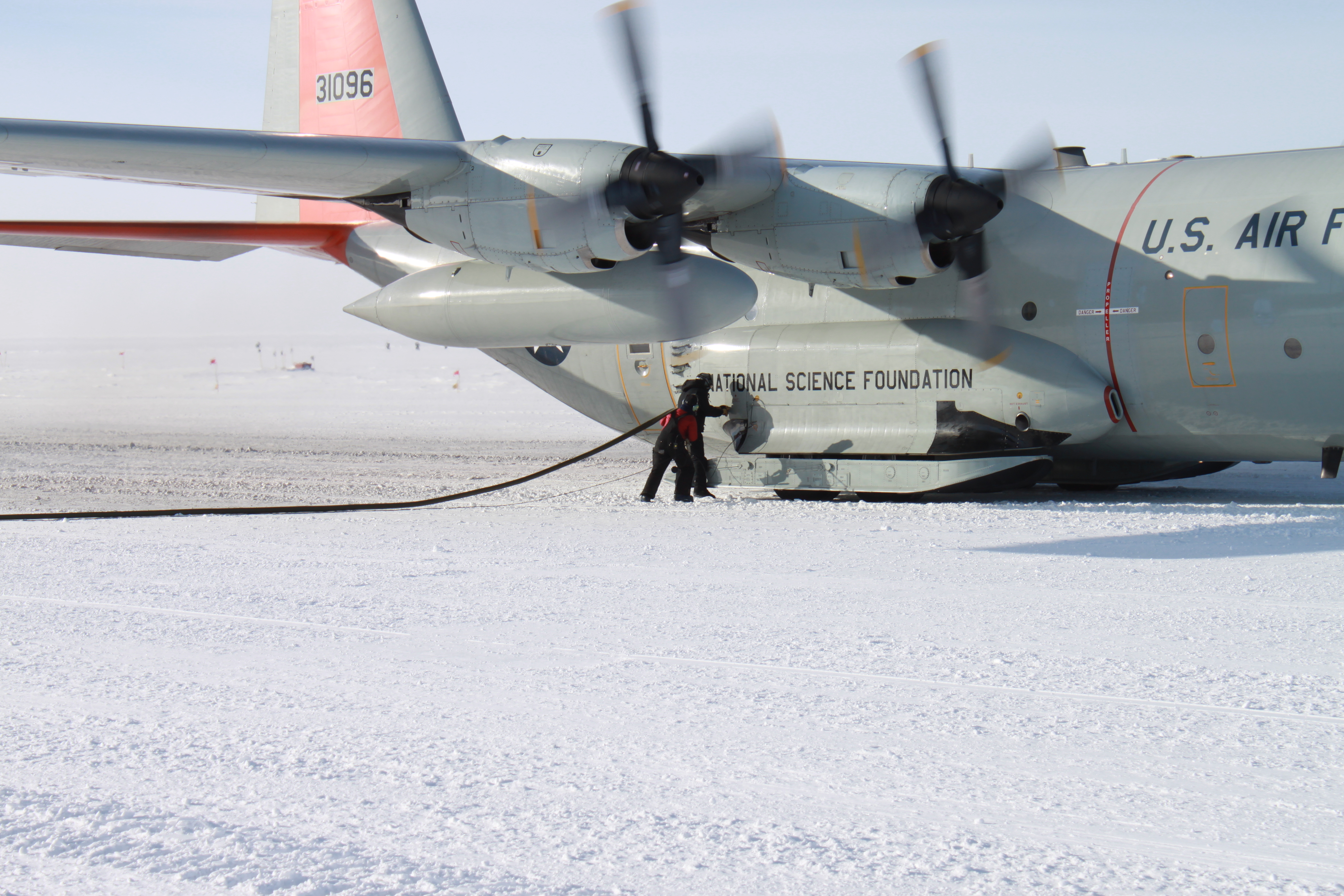
In one of my last weeks at Pole, I got to be a stand-in full time Fuelie, something I had been doing on and off throughout the season. I walked the full fuel line that runs from the flight deck where all of the fuel is offloaded from aircraft, all along the front of the station by the geographic and ceremonial poles, down through the fuel arch that extends out under the station, and the lines that run up to the Power Plant and vehicle fueling module. I performed fuel testing and helped fuel Baslers and Twin Otters. I landed LC-130s and helped defuel them, walking the heavy hose up under the wing of the aircraft in the fine line between the exhaust and the powerful propeller, so loud you can barely hear the communications on the soundproof headsets.

Fuel for testing

I’m not generally excited about airplanes, but at Pole for some reason I felt this little-boy awe and excitement at each first visual, landing, and during takeoff. But my favorite thing about working with Fuels was checking the skiway every morning to ensure it was safe for the day’s aircraft to land—riding the snowmobile a few miles out and looking for debris and downed runway flags. On a clear day I could see the endless horizon, the sun reflecting brightly off the windpolished snow, the station far, far away. And on a windy day I couldn’t see the station and my radio wouldn’t work because of the distance, and despite the reassuring rumble of the snowmobile, handles warm and vibrating under my frozen thumbs, I got a little glimpse of the frozen, barren wasteland I’ve heard so much about, stepped foot on, lived in, but so rarely saw.

Some of my favorite things from the end of the season:

-Discovering the sauna, relishing the hot, moist air and diffusion of prickly eucalyptus oil. Seeing skin (a fairly rare sight, bundled as people normally are), red-light illuminated legs and sweat and frizzy hair. We overheated and went out on the deck outside, steaming and looking at the ice.

-On a late-season manager cook day I did dishes with my friends Rachel and Joselyn (work order scheduler and greenhouse tech, respectively), playing music from the world cup and dancing in elbow-high rubber gloves to the lights of a whirly double dicso ball, pata-pata-ing and proving my theory that you can polka to anything.

-The satisfaction of taking that damn pump apart and finally, for once, finding some really obvious blockages, taking them out, and fixing the pump (I’d say once and for all, but that would be a lie).

-Seeing snow, also rare, and feeling a brief, overwhelming, visceral homesickness.

Heavy Shop on the Flight Deck–Kiwi Dave, Rachel, Jim, Dave and me.

On the way home from South Pole, after some very teary goodbyes, during which all the tears froze to our faces, we crossed back over the trans-Antarctic mountains, the first dirt I’d seen in months. Looking out under the plane’s wing, soft dinosaur mountains arching their spines up from oceans of snow, the ice’s surface like elephant skin with eddies and ripples and wrinkles snagging the bottoms of blue and white clouds, without an apparent hurry to get anywhere.

We landed that night in Christchurch, people stripping down to shorts and sandals while still on the plane, groaning with pleasure at the moist air, at the night sky, at the smell of rain and the simple joy of standing up after a long flight.